Learn the craft.
Free lessons on plot, character, and the writing life — every one of them ends where your novel begins.

Killing Your Characters with Their Fatal Flaw
Perfect characters are boring. Every character needs a flaw or twelve, not just because it’s more realistic, but because they help deepen your story. Character flaws make your characters more interesting and give you leverage to create conflict, plot, goals, and motivations. If your characters are perfect and have nothing to strive for or nothing they wish to attain, then your story is going to feel a little (or very) flat. Flaws can include a wide range of traits, from something as simple as talking too loudly to as complex and serious as being wildly arrogant. There are degrees of flaws where some will have little to no impact on your story and some will have a significant impact.

5 Types of Internal Conflict That Never Fail to Intrigue
Five types of internal conflict, endless story possibilities. Learn how to weave a compelling inner battle into your next novel.

Great Examples of Internal Conflict (And Why They Matter)
Internal conflict is essential for a great story, but what makes great internal conflict? In this article, we dissect what you need for a character's inner struggle and look at some examples of incredible internal conflict in media.

Smells Like Teen Spirit: How to Write Young Adult Fiction
Young adult books are easily one of, if not the fastest, growing genres in publishing. A lot of the biggest breakout books like the Hunger Games, Twilight, and Shadow and Bone are all based on YA novels. There’s something about the teenage experience that speaks to us all—no matter how old we get and how long ago teenagerhood was.

Flying Off the Page: How to Write Realistic Characters
One of the primary reasons people don’t finish a book is because the characters didn’t feel real to them. They couldn’t relate to them. They felt like caricatures or templates, rather than breathing, thinking, living beings on the page.

Turn Fantasy Into Reality: How to Write a Fantasy Novel
Writing a fantasy novel is a big, exciting, and rewarding undertaking. In this article, we cover everything you need to know about writing a fantasy story.
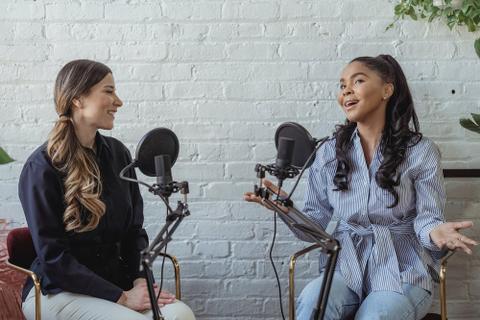
How to Write Dang Good Dialogue
Dialogue is an important part of writing a story. It's how characters plot, fall in love, and even how they can fight. In this article, we cover everything you need to know to write powerful dialogue.

Seriously, How Do You Write a Theme for a Novel?
Not sure how to write a theme? Struggling to even think of a theme? Check out this guide to building a story that means something.

How to Write a Sequel that Slays
Writing a sequel is an entirely different entity than writing the first book in a series. With a first book, you have all the newness and excitement of introducing fresh characters and settings. And while there is an entire canon of advice and articles dedicated to writing a book, most of that really applies to writing the first (or only) book in a series. Sequels come with their own set of challenges and rules. I wrote my first sequel last year after writing plenty of first books and it was definitely a different kind of beast to tackle.

How to Write a Query Letter to an Agent: An Angst-Free Guide
If you plan to publish your novel traditionally, you need to learn how to write a query letter to an agent. Here's everything you need to know to snag the attention of your future rep.

How to Start a Writing Schedule You’ll Actually Stick To
Learn how to start a writing schedule you won't abandon within a month! This guide walks you through everything you need to know, from finding your most productive writing time to persevering through writer's block.

How to Research a Novel So You Don't Send the Train to a Station That Doesn't Exist Yet
If you’re embarking on a topic that requires a lot of research, you might wonder where you even begin. How do you make use of all those juicy tidbits, and what kind of process should you use to ensure complete and total accuracy?

Help Wanted: How to Pick a Job for Your Character
We spend a lot of time thinking about our characters—what they look like, how they talk, their backstory, and their emotional wounds. But one thing you might not have given as much thought to is how they earn a living every day.It’s just a fact of life that most of us have a job of some kind to bring home the bacon (or perhaps tempeh, if you’re a vegetarian), no matter the setting or time period we live in. A roving knight works as a mercenary for a corrupt king. A billionaire manages properties while he’s busy whisking his lover all over the world. Or a ragged survivor of a dystopian nightmare works as the leader of a rebellion (some jobs definitely pay better than others). In some cases, the job is the story. Think about a detective or an office romance. Without the work, there’s no story.

Quick, Quick, Slow: How to Pace Your Romance Novel Just Right
Pacing is one of those things I think only writers talk about. Before I delved into becoming a writer, I was a reader and didn’t really toss around words like “pacing.” To me, if something was wrong with a book’s “pacing,” it felt either too slow and boring or too fast and shallow for it to hold my interest. Chances are most of your readers are the same.

How to Meet Cute: Ideas for Your Romance Novel
If you’ve never heard the term “meet cute,” let me explain. It’s a common expression you’ll hear when talking about romance novels, movies, and shows. It’s the moment that your love interests meet for the first time, often in a cute and humorous way (though it doesn’t have to be).

How to Make a Book Cover That Seriously Sells
Planning to self-publish your novel? Then you need to know how to make a book cover. Here's everything you need to know about catching your reader's eye and getting them to click "buy."

From Hum-Ho to Captivating: How to Give Your Characters a Personality They Deserve
When you start to draft or plot a new novel, you probably have a vague idea of who your characters are or will be. A lot of people start with the basics first, such as age, sex, gender, and hair, eye, and skin color. And that is a very good place to start. But to create memorable characters that leap off the page, you’re going to need a little more. Probably a lot more, in fact.

How to Find Your Writing Style (And Why That’s Even a Thing)
Wondering how to find your writing style... or why you'd even need to? Here's everything you need to know to discover, define, and rock your one-of-a-kind voice.

How to Find Beta Readers: What Everyone Else Seems to Know
No clue how to find beta readers? Don't sweat it. As it turns out, potential beta readers are everywhere. Here's how to track them down.
How to End a Story with a Bang Not a Whimper
Just like a compelling opening, a good ending is a bit of an art form and can take some practice. As with anything in writing, the best way to learn is to read. Think about books with memorable endings that you’ve enjoyed: read them again with a critical eye and think about how and why they work.

Love Potion Number 9: How to Create Romantic Chemistry in Your Novel
What’s the difference between a great love story and a so-so love story? Romantic chemistry, that’s what. If you’ve ever read a romance novel or a book with a romantic subplot and found yourself not really caring about the relationship between the love interests, there’s a good chance the author missed out on building up that oh-so important chemistry.
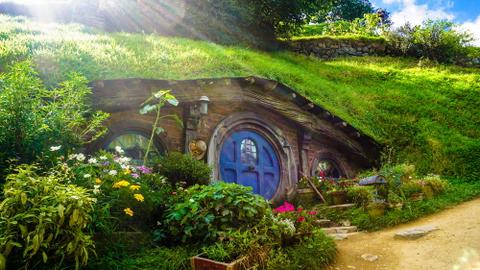
Build It and They Will Come: How to Create a Fictional World
Worldbuilding is the subtle backbone of your story. It won’t make or break your novel like the characters or plot might, but it’s necessary for building a believable setting that your readers will embrace. If they’re distracted by inconsistencies in your setting then they might have a hard time focusing on the story. And we don't want that.

How to Build a Writing Habit That Sticks
When you create a writing habit, wonderful things happen. You write more, you write better, and you write faster. But how do we build and maintain a writing habit? We explain it all in this article!
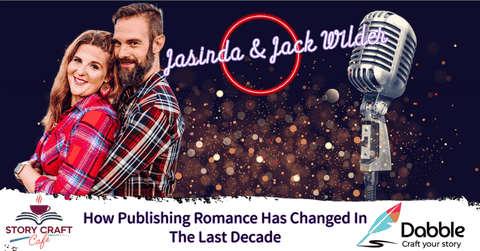
How Publishing Romance Has Changed In The Last Decade with Jasinda and Jack Wilder
Welcome to the story craft cafe podcast. We're continuing our monthlong celebration of romance that we're calling #KissTember. Today we have husband and wife duo Jasinda and Jack Wilder and we talk about the ups and downs of the writing life, understanding your audience and delivering what that audience has come to love from your writing, the changing market and how publishing has changed over the last decade and so much more.