Learn the craft.
Free lessons on plot, character, and the writing life — every one of them ends where your novel begins.

The Common Person/Everyman Archetype - Everything You Need to Know
The Common Person or Everyman is a powerful archetype that can instantly relate to your readers. Learn how to use it in your writing!

The Caregiver Archetype - Everything You Need to Know
The caregiver archetype is more than a saint. Learn how to craft a fascinating, flawed, and deep-souled caregiver for your story.
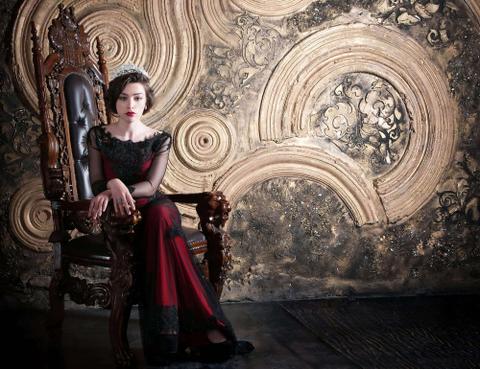
The Ruler Archetype - Everything You Need to Know
The Ruler archetype is one of the most recognizable and is about stability and maintaining order through control and power.

The Creator Archetype - Everything You Need to Know
The Creator Archetype breathes life into their art, often to an obsessive level. Learn all about using this archetype in your writing!

The Innocent Archetype – Everything You Need to Know
Get to know the Innocent archetype, from Buddy the Elf to Andy Dwyer. Learn how to write this lovable (and sometimes chaotic) character.

The Sage Archetype - Everything You Need To Know
The Sage archetype is an important one in all storytelling—one that can either help or hinder the protagonist's journey in your book.

The Explorer Archetype - Everything You Need To Know
Explorer Archetypes long for adventure and seek out new places, ideas, and experiences to live a thrilling, exciting, and fulfilling life.

The Jester Archetype - Everything You Need to Know
What is the Jester archetype? Find out what you need to know to give your funniest character true purpose and depth.

The Lover Archetype - Everything You Need To Know
Lover archetypes embrace the love they hold for friends, family, their gods, or simply the world around them.

The Magician Archetype - Everything You Need To Know
The Magician archetype is one of the most popular archetypes in writing. In this blog, we explain everything you need to know about Magicians!

The Hero Archetype - Everything You Need To Know
What is the hero archetype? From epic heroes to anti-heroes, here's everything you need to know about crafting a compelling hero.

The Seven Basic Plot Points
The seven basic plot points offer perhaps what is the most open-ended of the structure archetypes with broad, high-level descriptions.

What is Chekhov's Gun?
Chekhov's Gun is a fundamental principle in writing. Join us as we examine what this principle is so you can apply it to your own writing.

Three Act Structure
What is three-act structure? Learn why this story structure is so effective and whether it can help you plot your novel.

Plotting Your Novel Using Save The Cat!
Save the Cat is one of the most popular ways of drafting screenplays and novels in modern storytelling.

The Hero's Journey
The Hero's Journey is a classic story structure. Learn why it's so popular among writers and how to apply it to your own storytelling.
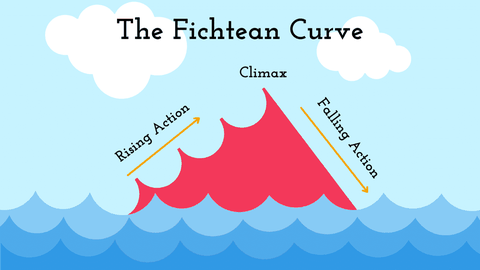
The Fichtean Curve: A Dorsal Fin of Catastrophe
We call it John Gardner's aquatic monstrosity, the Fichtean Curve is a narrative structure that can help you easily plan out your novel.

What is the Snowflake Method?
We break down Randy Ingermanson's Snowflake Method, a type of outlining that can make writing your book much easier and faster.

How to Write Compelling Characters From the Inside Out
A New York City story coach shares her best tips on how to create compelling characters. She walks through each step in the process.

Dan Harmon's Story Circle
Learn about Dan Harmon's Story Circle—what it is, how it can help you plot your novel, and whether it's right for you.

What is Freytag's Pyramid? How An Old Story Can Help You
One of the original story structures, Freytag's Pyramid is the foundation for dramatic stories and tragedies. Learn all about it with Dabble!

How to Write a Children's Book – The Ultimate Guide [With Template]
Learn how to write a children's book with this ultimate guide and template for designing a story that resonates with young readers.

Active vs. Passive Writing: What’s the Difference?
In this article, we’ll explore what active and passive writing is and when you should use them. Contrary to some beliefs, sometimes passive voice does make sense. Not everything you write should or needs to be active (though it should be most of the time).
What are the different types of book editing?
Editing your book can be a daunting task. In this article, we breakdown the different types of editing and when you should apply them.