Learn the craft.
Free lessons on plot, character, and the writing life — every one of them ends where your novel begins.

Romance Tropes: The Heartbeat of a Genre
Romance tropes are the heartbeat of what makes romance novels feel like cozy sweaters you want to snuggle into. Learn how to weave in these tropes to enhance your romance story!

How to Describe Clothing in Writing Without Boring Everybody
Not sure how to describe clothing writing? It's easier (and more fun) than you might think. Here's everything you need to know.

Types of Character Motivation - What Gets Them Out Of Bed?
Character motivation is essential in creating characters your readers will care about. Learn about the types of motivation with Dabble!
How to Start a Chapter
How to start a first chapter: include action, character, plot, emotion, and motivation or you’re going to lose your reader.

How to Write Exposition: Transform Tedium into Triumph
Want to learn how to write exposition that's not so explainy? Divulge compelling backstory using these tried-and-true tips.

The Picture Day Update (Part Two) – Dabble v2.3 Release

How To Make Your Own Language in 4 Easy Steps
English is whack. You should make something better. Here's how to make your own language in four simple steps, whether it's for a novel, show, your DnD group, or just a hobby.

The Picture Day Update (Part One) - Dabble v2.3 Release

How Long Should a First Chapter Be? It Isn't Really Up to You
How long should your chapters be? On average, chapters tend to range from 1,000-5,000 words, with most falling in the 2,000-4,000 range.

20 Original Character Questions (This Might Get Weird)
Need original character questions to inspire your work in progress? Dig deep with these one-of-a-kind character interview questions.
How to Write a Good Villain: Full Recipe
It isn't easy to write a good villain, at least not without the right ingredients. Let Dabble give you the perfect recipe for a villain!
101 character goals that don’t involve anyone’s dead wife
There are a lot of pieces of writing advice you can ignore, but here’s one you shouldn’t: you need to include character goals in your story.

Why Does Character Motivation Matter if the Plot Slaps?
Why does character motivation matter? Find out why a thrilling plot is not enough and how to design motivation that resonates with readers.

How to Plan a Novel That Rocks
Outlining your future bestseller isn't easy! But we break it down for you so you can plan a novel that rocks.

How Long Does it Take to Write a Book?
You might be wondering: how long does it take to write a book? The answer depends on a variety of factors.

100 Character Development Questions That Aren’t About Eye Color
Here are sixty-five character development questions, plus tips on how and when to interview your characters. Get inspired and get unstuck!

Don’t Be Conflicted About the Four Types of Story Conflict
Conflict is what makes books worth reading. Join us as we explore the four types of conflict you can use to make you story memorable!

61 gifts for writers because they don’t need another notebook
Do you have a writer in your life who needs a gift? Check out this list of 61 gifts for writers that will help them with their author dreams.
A Giant Pile of Character Ideas to Jump-Start Your Brain
Need character ideas for your next story? Find a ton of original ideas and brainstorming questions right here!

Start a Story Right
The words you use to start a story are some of the most important you'll write. We'll help make sure you get them right!

Character Flaws—The Traits You Totally Don't See in Yourself
A character flaw is a fault, limitation, or weakness that can be internal or external factors that affect your character and their life.

The Seductress Archetype - Everything You Need to Know
The Seducer/Seductress archetype can help you craft unforgettable villains and surprisingly sympathetic anti-heroes. Learn how.

The Orphan Archetype - Everything You Need to Know
The Orphan archetype makes for both inspiring heroes and unsettlingly sympathetic villains. Learn how to use this archetype in your story.
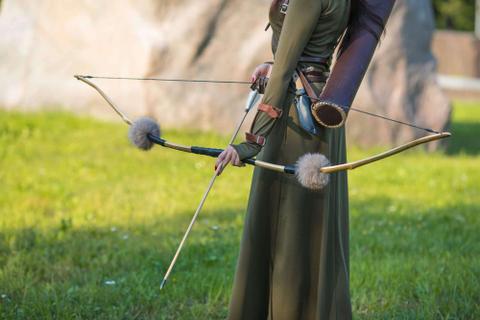
The Outlaw Archetype—Everything You Need To Know
Explore the fundamentals of the Outlaw Archetype and how they serve your story. Explore famous examples of Outlaws in popular media.