Learn the craft.
Free lessons on plot, character, and the writing life — every one of them ends where your novel begins.

Book Launch Ideas to Get Your Book on Their Must-Read List
All book launch ideas have one goal: to connect you with readers who will love your book. Here are some of the best methods for reaching the right people in the right way at the right time.

The Ultimate Guide to Start a Book Blog
So you want to take your love of reading and talking about books and turn it into a blog? This article will take you through everything you need to know to start a book blog.

8 of the Absolute Best Writing Tools Out There
Discover the best writing tools for everything from brainstorming and organizing to drafting, revising, and managing your time.
The Best Writing Advice to Level-Up Your Craft
The best writing advice inspires, challenges, and invites you to look at your craft in a whole new way. Here are our favorite tips from famous writers (plus a few of our own).

Becoming an Author: How to Do It and Why You’d Want To
The journey to becoming an author is long, challenging, and deeply rewarding. Ready to leap into the adventure of authorship? Here's everything you need to know.

Author’s Tone: The Sneaky Li’l Secret to Roping Them In
Author's tone is an abstract, slippery concept. But once you've mastered this skill in your writing, you'll have a powerful tool for captivating readers.
Tips and Tricks for Writing a Fantasy Novel
Need a bit of advice for writing your fantasy novel? You aren't alone! Writing fantasy can be as overwhelming as it is fun, but we cover 30 tips to help write your fantasy novel.

A Whole Bunch of Character Arc Ideas for Your Story
Great characters have great character arcs, but those can be tough to come up with! In this article, we cover fifteen character arc ideas you can use to craft incredible stories.

28 Super Stimulating and Contemplative Places to Write
If you read any articles on the art of developing a good writing habit, one of the most common pieces of advice you’ll see is to find an ideal writing spot. Somewhere that not only inspires you, but most importantly, gives you that special something you need to sit down and get those words on the page. Because discipline will trump inspiration every time. There are a lot of places you can go to write. The most obvious is probably somewhere in your home. But, maybe you don’t have an ideal setup there. Maybe it’s too small or there are too many people. Or maybe you’re just sick of the place and want to go out into the wide world.

How the 8-Point Story Arc Keeps Your Novel on Track
The eight-point story arc is a versatile novel-planning structure that's both pantser and planner friendly. Here's how you can use it to write your next book.

Become a Good Judge of Character...Development
Characters are almost inarguably the most vital part of your story. Sure, you can have a great plot and strong world-building, but if you don’t make your reader care about your characters, then chances are the rest of that stuff will fall flat. Characters are the thing that turn an okay read into a book your readers won’t be able to put down. So how do you create a character that makes them come back for more? By ensuring they have good character development, of course. But what does that mean? So glad you asked. In this article, we’ll go over what character development is, how to develop a character, and the things you can do to ensure you’ve created got the most memorable character possible.

The Best Blogs to Make You a Super Duper Writer
There are hundreds of blogs out there for writers that cover everything from improving your craft to the business and marketing of being an author. There are ones that focus on indie publishing and those that focus on traditional publishing. It’s easy to get lost in the reams of information you can find online, so which writing blogs are worth checking out? While there is no definitive answer to that question, we’ve compiled a list of writing blogs that you’ll want to bookmark to help you on your writing journey. Just make sure you actually write, too, and don’t fall into the trap of just reading about writing (look, we’ve all been there).
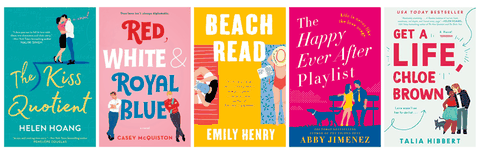
Amazing Book Covers to Inspire You
Never judge a book by its cover. Ha, I’ve never heard anything that’s less true. I guess the origins of the phrase suggest you shouldn’t judge people by outward appearances or something like that, and yes, that’s definitely true. But when we’re talking about actual books, then you should absolutely, definitely be judging books by their covers. Publishers use book covers as marketing tools. It tells you, dear reader, where that book falls in terms of genre and age and lets you know if this might be a book you like. If you’ve ever wondered why all the books in a specific category look similar, that’s on purpose. It’s a sign post. A guide that says, if you like other books in this genre, then this book might also appeal to you.

To Make a Long Story Short: Elements of a Short Story
The short story. It seems like it should be simpler to write because it’s, well… short. Right? Maybe. It depends on you and a few other factors. Short story writing is an art unto itself, and while yes, there might be fewer words overall, you still need the same kind of practice and care you exercise when writing a longer piece. If you’ve ever wanted to write a short story, then pay attention, because we’re digging into everything you need to know to tackle your own.

All About the Action: What is a Plot-Driven Story?
You’ve just finished a novel you couldn’t put down. The pacing was spot on and everything about it made you want to keep flipping the pages to find out what happens next. You’re going to be exhausted for work this morning and you really shouldn’t have stayed up until 3 am to find out if they found the killer. If you’ve ever found yourself in this situation, then it’s probably because you were reading a plot-driven story. If you’ve ever considered writing a plot-driven story, you might be wondering what exactly that term means and what elements you need to write one. In this article, we’ll break that down and give you some tips for writing your own plot-driven book.

Navigating the Roadway of Character-Driven versus Plot-Driven Novels
You’ve probably heard the terms plot-driven versus character-driven stories and maybe wondered what they mean. Like a lot of things in writing, it can be tricky to define because the lines between the two are often blurred. And what feels like a plot-driven story to one person might feel like a character-driven story to another. Which is all a little confusing. In the most basic terms, a plot-driven story is one where the plot moves the characters, while a character-driven story is one where the characters drive the plot. It sounds simple enough, and it kind of is, but also has a bit more to it than that. In this article, we’ll break it down a bit more.

Story versus Plot: Is There a Difference?
While the terms "story" and "plot" are often used interchangeably, they are actually two distinct elements of narrative, and understanding the difference can be a useful tool in your storytelling arsenal. You’re going to need some of both to create a compelling book that’ll have your readers coming back for more.

Digging in Deep: What is Content Editing?
Editing. That tricky little step between drafting and publishing. Okay, maybe it’s not so little. Actually, it’s kind of important. I’ll even go out on a limb and say it’s actually the most important part. And the limb is very short. But where do you start? You’ve got all these words and now you have to take your messy first draft and make them actually readable. You know editing’s a thing, but you’ve probably heard there is more than one kind of editing. One of the most comprehensive is known as content or development editing. This is often the first kind of editing any book sees and, for new writers, can be a valuable step in honing their craft.

My Name is Inigo Montoya: How to Introduce a Character in Your Novel
We tend to give a lot of thought to our characters when we’re writing. Their likes and dislikes. Their appearance and disposition. Hopefully their wants, goals, motivations, flaws and all the things that make them feel like real people. But how much thought do you give to actually introducing them to your readers? A strong introduction to a character can help make or break that character and the way your reader perceives them. So what’s in an introduction, anyway?

Tertiary Characters: Giving Your Background Players Life
Do your main characters tend to steal the show in your novels? Don’t worry, that’s not a trick question. They should be doing that. In fact, you should be putting lots of thought and development into protagonists because that’s who the story is about. But how much thought have you given to your tertiary characters? They can be important too.If you want to breathe life into your stories, it's time to give tertiary characters a little love. These small but mighty players can add depth, complexity, and a fresh perspective to your plot. They give you the chance to offer comic relief, a dash of wisdom, and just some good old fashioned friendship.

Sidekicks: The Loyal Companion Your Hero Needs
Sidekick characters. The unsung hero of so many stories. They're the Robin to your Batman, the Luigi to your Mario, the Samwise Gamgee to your Frodo Baggins. They're the ones who are always there to lend a helping hand, crack a joke, or provide some much-needed emotional relief. And let's be real, sometimes they don’t go unsung. Sometimes they're more interesting and lovable than the main characters themselves and end up stealing the show.

Psst...Does Your Character Have a Secret?
Secrets. They’re the lifeblood of any relationship. If you aren’t keeping at least a few secrets from your friends and loved ones, are you really living? Okay, maybe not. Secrets in real life can be a little tricky—we all have them—but they have a way of blowing up in our faces, depending on how big they are. Your characters are really no different. Only when you’re keeping secrets in fiction, you can make them even darker and deeper than any you might ever have in real life. (Hopefully, I don’t really know your life, so maybe not.) Secrets might not be something you’ve specifically thought about when you’re drafting a story. They’re the kind of thing that often happen organically, but you can actually make use of character secrets to make your stories better. Adding them with intention can help increase tension, make twists hit that much harder, and keep your reader engaged.

Eyes, Ears, Mouth, and Nose: Character Descriptions for your Novel
There are many schools of thought on writing character descriptions in your novels. Some people are of the “blank slate” variety offering up almost no physical descriptions and letting the reader decide. While others are more into the “give every detail” until their character might as well be a drawing on the page. Most writers fall somewhere in between that spectrum.

Dabble vs. Hemingway Editor
Writing a whole book is no simple task. There’s a lot to consider when you’re crafting your novel from plot to structure to character and a thousand little details in between. From first draft to publish ready, there are a lot of steps to go through. There are also a lot of options out there to help make this task easier. Dozens of different writing, formatting, and drafting programs that might or might not work for you. Today, we’ll break down two of these options—Dabble Writer and Hemingway Editor—and compare what they have to offer, along with how much they cost and their main features.