Character

The Author’s Guide to Direct vs. Indirect Characterization
What's the difference between direct and indirect characterization? And is one better than the other? Here are the answers you've been looking for.

Coming Up with Character Names and Why They Matter
While they can seem random, cliché, or epic, a surprising amount of thinking should go into what you name your characters. In this article, we break down why names are important, what you need to consider when picking one, and how to name your fictional characters.

What's the Point of a Foil Character in Literature?
Maybe you've heard of foil characters before, but what exactly do these types of characters do? How can you make a good one? Don't worry, we cover everything you need to know about foil characters in this article.

The Totally Learnable Art of Writing Funny Characters
Funny characters are more than wit or absurdity. These fictional beings are hilarious because they're deeply human. Here's everything you need to know about writing funny characters your readers will remember forever.
Easy-Breezy Guide to All the Types of Characters in Fiction
Here's everything you wanted to know about all the types of characters in fiction. Learn how to define and write tertiary characters, protagonists, foils, and everything in between.

What is an Anti-hero? Simple Guide, Complicated Character
The anti-hero is an undeniably compelling character archetype. It's also wildly complex and easy to confuse with other types of characters. Don't worry. You're about to get all the clarification you need to become a bonafide anti-hero expert.

What Is a Round Character and How Do You Write One?
So your critique partner says your characters need to be more "rounded," but what does that even mean? Welcome to your complete guide to round characters. Learn what they are, why they matter, and how to write them.
What Is a Flat Character? And Is It a Bad Thing?
Flat characters play an important role in storytelling. The trick is knowing when to use them and how to write them well. Learn the secrets to writing memorable flat characters and how to round them out when it's necessary.

What Is a Static Character and Why Are They So Stubborn?
Static characters give your story stability and shine a spotlight on your dynamic characters. But what defines them, exactly? And how do you write them well? Let's talk.

85+ Character Mannerisms and Why They Make Your Story Better
Character mannerisms reveal a lot about your fictional players, from their background to their emotional state. Get tons of examples of character mannerisms and learn how to use this tool to write a better novel.

What the Heck is a One-Dimensional Character?
Being told your character is "one-dimensional" can feel like a slap to the face. But what does that even mean? And is there a place for one-dimensional characters in books? We discuss all that and more in this article.
How to Write a Character Sketch That Works For You
A character sketch is a great tool to flesh out a character and keep your story engaging. In this article, we cover how to write a character sketch to make better characters.

Premium Deep Dive: Writing Relationships
In this Dabble Premium Deep Dive, we're looking at character relationships: what's involved with them, how to write them, and what people love about them. Plus, get a FREE downloadable resource to help craft your own relationships.

8 Traits a Negative Character Arc Absolutely Must Have
Want to create a disturbingly compelling negative character arc? The secret is to make your character's downfall feel plausible—even inevitable. Here's how.

Crafting the Lie Your Character Believes in 5 Tidy Little Steps
The Lie Your Character Believes is the key to their character arc, the central conflict, and even the theme of your story. But, like... what does that mean exactly? And how do you come up with a Lie compelling enough to drive a whole novel? Here's everything you need to know.

Writing a Likeable Flawed Protagonist (And Why You Have To)
There's a delicate balance when it comes to creating a protagonist readers will root for. Your main character has to be easy to like but also undeniably flawed. How do you pull that off? Here's everything you need to know.

Real Talk: Why is Everybody Hating on the Nice Guy Trope?
Is the Nice Guy trope really all that bad? Why are we suddenly giving the side-eye to all our classic romantic heroes? Here's everything you ever wanted to know about the Nice Guy, from the trope's influence on culture to its evolution in a new age of storytelling.

An Author's Guide to Crafting Memorable Side Characters
Even if they aren't the star of the show, secondary characters can live rent-free in the minds of your readers long after your story is over. That's if you put in the work, though. So, in this article, we're going to figure out how to craft memorable Side Characters.
The Best Character Template Ever (100+ Character Traits!)
We've got you covered with the best character template ever to help bring your story's characters to life!

The Character Development Worksheet You’ve Been Looking For
Snag this free, downloadable character development worksheet, designed to help you craft compelling characters and write an unputdownable story.

A Character Arc Template for Crafting Riveting Transformations
Oh hey, look at this! It's a free, downloadable character arc template to help you craft fascinating journeys for your characters. Plus, learn what it takes to create an arc-worthy character and how to weave their arc into your plot.

The Nice Guy Trope: Caring, Courageous, or Cringeworthy?
The Nice Guy trope: it's gotten increasingly controversial in the last few years, but it is it all bad? What defines this trope and how do authors adapt it for the modern world? We've got those answers right here.
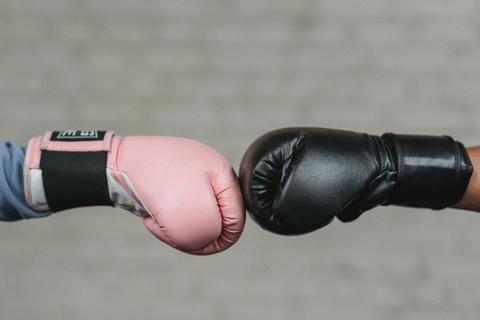
Protagonist vs. Antagonist: Craft Conflict Through Character
The protagonist vs. antagonist relationship is what makes your story a story. Learn how to craft each of these characters brilliantly and create conflict your readers will keep thinking about long after "the end."

The Flawed Character Trope: How to Use Them In Your Story
Tropes are one of the most important ingredients in storytelling. There are tropes like “enemies to lovers” or “the chosen one” that you’ll see in all forms of media from TV to movies to books. They’re comforting plot lines that readers relate and respond to because they understand what they mean. Characters can have tropes too—often referred to as archetypes—and these are the kinds of characters you’ll see over and over again in your favorite pieces of fiction. These include things like the wizened sage who offers up advice to the hero or the rebellious anarchist whose only goal is to bring down the establishment (often known as The Man.)

Writing Abused Characters Respectfully and Authentically
Writing abused characters requires humility, empathy, and a lot of research. Here’s how to portray these experiences authentically and with care.