Components of a Story

Writing a Likeable Flawed Protagonist (And Why You Have To)
There's a delicate balance when it comes to creating a protagonist readers will root for. Your main character has to be easy to like but also undeniably flawed. How do you pull that off? Here's everything you need to know.

Stress Your Readers Out: How to Write Tension in a Story
Tension is such a powerful tool in gluing your readers to your book, but only if you know what you're doing. In this article, we discuss what you need to write killer tension.
An Author's Guide to Creating a Worldbuilding Bible
Creating a whole fictional world can be a daunting task, but there's one tool you can use to make this fun, intricate process better: a worldbuilding bible. In this article, we discuss exactly what you need to create that document and give you a template to make one right here in Dabble!
Flashback and Foreshadowing Techniques for Clever Writers
Flashbacks and foreshadowing are great tools for creating a more immersive experience for your readers. But using them effectively is a craft unto itself. Here are some of the best techniques for putting these time-jumping devices to work in your novel.

Real Talk: Why is Everybody Hating on the Nice Guy Trope?
Is the Nice Guy trope really all that bad? Why are we suddenly giving the side-eye to all our classic romantic heroes? Here's everything you ever wanted to know about the Nice Guy, from the trope's influence on culture to its evolution in a new age of storytelling.

How to Plug Those Plot Holes
Plot holes can quickly make Swiss cheese of your story, ruining all the carefully crafted character arcs, themes, and beautiful narrative you've worked so hard to create. So let's figure out how to identify, fix, and prevent plot holes!
An Author's Guide to Crafting Memorable Side Characters
Even if they aren't the star of the show, secondary characters can live rent-free in the minds of your readers long after your story is over. That's if you put in the work, though. So, in this article, we're going to figure out how to craft memorable Side Characters.
The Best Character Template Ever (100+ Character Traits!)
We've got you covered with the best character template ever to help bring your story's characters to life!

The Character Development Worksheet You’ve Been Looking For
Snag this free, downloadable character development worksheet, designed to help you craft compelling characters and write an unputdownable story.

A Character Arc Template for Crafting Riveting Transformations
Oh hey, look at this! It's a free, downloadable character arc template to help you craft fascinating journeys for your characters. Plus, learn what it takes to create an arc-worthy character and how to weave their arc into your plot.

9 Different Types of Magic Users to Use in Your Writing
One of the coolest parts of writing a book with magic is creating your magic users. Here are nine different types of tried-and-true spellcasters you can use in your story!

The Nice Guy Trope: Caring, Courageous, or Cringeworthy?
The Nice Guy trope: it's gotten increasingly controversial in the last few years, but it is it all bad? What defines this trope and how do authors adapt it for the modern world? We've got those answers right here.

50 Sad Story Ideas That Will Leave Your Readers Shattered
Looking for a sad story idea that will absolutely destroy your readers (in a good way)? Here are 50 ideas you're free to steal, plus a few bonus tips on getting your audience to feel those feels.

What is a Magic System?
Magic is a staple of many genres, but a spellbinding book needs a good magic system. In this article, we cover what a magic system is and why you should care!
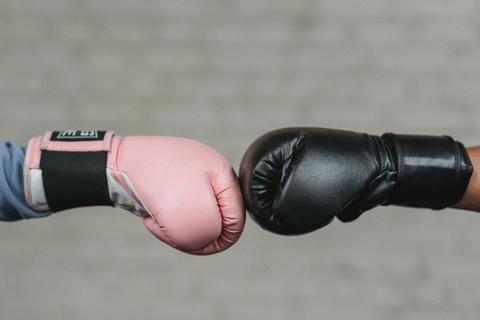
Protagonist vs. Antagonist: Craft Conflict Through Character
The protagonist vs. antagonist relationship is what makes your story a story. Learn how to craft each of these characters brilliantly and create conflict your readers will keep thinking about long after "the end."

30 Dystopian Plot Ideas for a Terrifying Future
Dystopian fiction is one of the darker subgenres of science fiction and fantasy. It takes us into dark, foreboding worlds, where oppression and bleak landscapes are the norm. Books like 1984 by George Orwell, The Hunger Games by Suzanne Collins, and Brave New World by Aldous Huxley have become classics that shine a light on political corruption, environmental disaster, and societal collapse.Why do we love these stories? Maybe it's because dystopian fiction allows us to explore worst-case scenarios, to grapple with the idea that the world we know and love could be lost forever. It's a way for us to confront our fears and anxieties about the future, to see what could happen if we continue down a certain path.

The Flawed Character Trope: How to Use Them In Your Story
Tropes are one of the most important ingredients in storytelling. There are tropes like “enemies to lovers” or “the chosen one” that you’ll see in all forms of media from TV to movies to books. They’re comforting plot lines that readers relate and respond to because they understand what they mean. Characters can have tropes too—often referred to as archetypes—and these are the kinds of characters you’ll see over and over again in your favorite pieces of fiction. These include things like the wizened sage who offers up advice to the hero or the rebellious anarchist whose only goal is to bring down the establishment (often known as The Man.)

Writing Abused Characters Respectfully and Authentically
Writing abused characters requires humility, empathy, and a lot of research. Here’s how to portray these experiences authentically and with care.

How to Write The Perfect Sword Fight
There are few things as thrilling to read as a well-composed sword fight. But there are few things as complex, too. In this article, we cover all you need to know to write some incredible fight scenes with swords (or other melee weapons).

Worldbuilding Guide: Design a World That Captivates Readers
Looking for the ultimate worldbuilding guide? You found it. From mapping worlds to dodging Worldbuilder's Disease, this how-to covers it all.
What You NEED to Know About Your Characters
When you make up fictional people, you're going to become an expert on them. You'll know them more than you know some of your friends. But what do you absolutely need to know about them before you start writing? Let's break it down.

It’s Good to Be Bad: Writing a Villain Protagonist
Not all protagonists are heroes. In fact, some of the best stories feature villains as the main character. But writing a villain protagonist isn't easy, so let's break down exactly what you need to know.

30 Good Villain Motivations (And Why You Really Need One)
Looking for some good villain motivations to drive your evil-doer's dastardly deeds? Find inspiration here... as well as some great tips for creating a compellingly wicked Why.
Why Should I Care About My Book’s Theme?
It's easy to dismiss your book's theme as an afterthought - or not a thought at all. Let us convince you why theme is important for your story.