Components of a Story
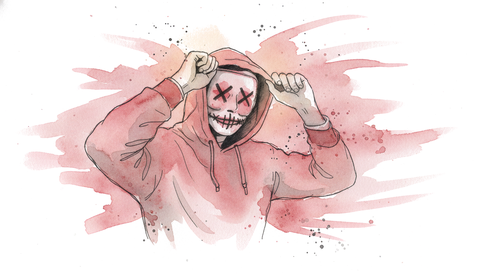
How to Write a Good Villain: Full Recipe
It isn't easy to write a good villain, at least not without the right ingredients. Let Dabble give you the perfect recipe for a villain!
101 character goals that don’t involve anyone’s dead wife
There are a lot of pieces of writing advice you can ignore, but here’s one you shouldn’t: you need to include character goals in your story.

Why Does Character Motivation Matter if the Plot Slaps?
Why does character motivation matter? Find out why a thrilling plot is not enough and how to design motivation that resonates with readers.

100 Character Development Questions That Aren’t About Eye Color
Here are sixty-five character development questions, plus tips on how and when to interview your characters. Get inspired and get unstuck!

Don’t Be Conflicted About the Four Types of Story Conflict
Conflict is what makes books worth reading. Join us as we explore the four types of conflict you can use to make you story memorable!

A Giant Pile of Character Ideas to Jump-Start Your Brain
Need character ideas for your next story? Find a ton of original ideas and brainstorming questions right here!

Character Flaws—The Traits You Totally Don't See in Yourself
A character flaw is a fault, limitation, or weakness that can be internal or external factors that affect your character and their life.

The Seductress Archetype - Everything You Need to Know
The Seducer/Seductress archetype can help you craft unforgettable villains and surprisingly sympathetic anti-heroes. Learn how.

The Orphan Archetype - Everything You Need to Know
The Orphan archetype makes for both inspiring heroes and unsettlingly sympathetic villains. Learn how to use this archetype in your story.
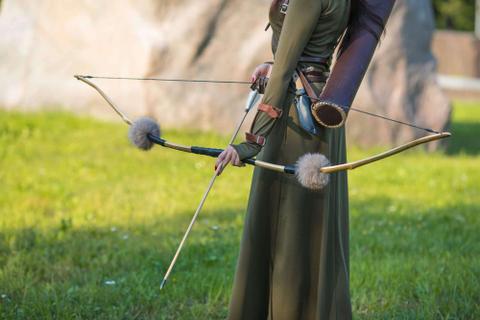
The Outlaw Archetype—Everything You Need To Know
Explore the fundamentals of the Outlaw Archetype and how they serve your story. Explore famous examples of Outlaws in popular media.

The Common Person/Everyman Archetype - Everything You Need to Know
The Common Person or Everyman is a powerful archetype that can instantly relate to your readers. Learn how to use it in your writing!

The Caregiver Archetype - Everything You Need to Know
The caregiver archetype is more than a saint. Learn how to craft a fascinating, flawed, and deep-souled caregiver for your story.
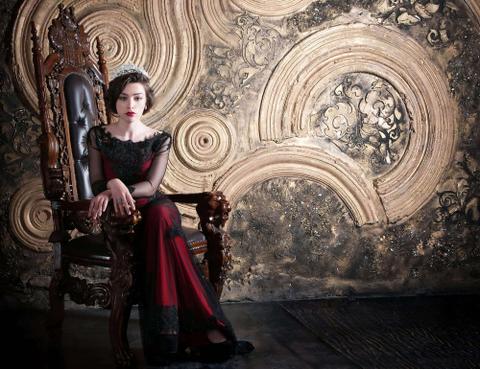
The Ruler Archetype - Everything You Need to Know
The Ruler archetype is one of the most recognizable and is about stability and maintaining order through control and power.

The Creator Archetype - Everything You Need to Know
The Creator Archetype breathes life into their art, often to an obsessive level. Learn all about using this archetype in your writing!

The Innocent Archetype – Everything You Need to Know
Get to know the Innocent archetype, from Buddy the Elf to Andy Dwyer. Learn how to write this lovable (and sometimes chaotic) character.

The Sage Archetype - Everything You Need To Know
The Sage archetype is an important one in all storytelling—one that can either help or hinder the protagonist's journey in your book.

The Explorer Archetype - Everything You Need To Know
Explorer Archetypes long for adventure and seek out new places, ideas, and experiences to live a thrilling, exciting, and fulfilling life.
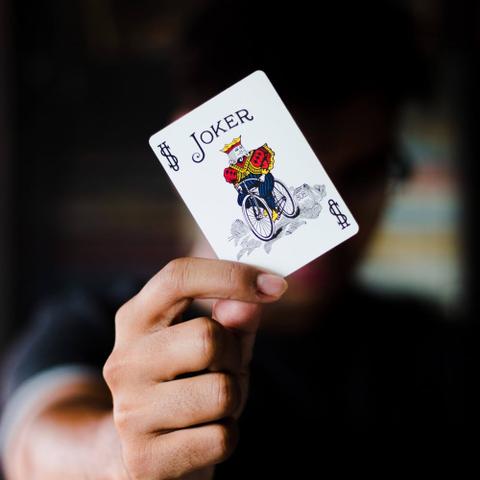
The Jester Archetype - Everything You Need to Know
What is the Jester archetype? Find out what you need to know to give your funniest character true purpose and depth.

The Lover Archetype - Everything You Need To Know
Lover archetypes embrace the love they hold for friends, family, their gods, or simply the world around them.

The Magician Archetype - Everything You Need To Know
The Magician archetype is one of the most popular archetypes in writing. In this blog, we explain everything you need to know about Magicians!

The Hero Archetype - Everything You Need To Know
What is the hero archetype? From epic heroes to anti-heroes, here's everything you need to know about crafting a compelling hero.

The Seven Basic Plot Points
The seven basic plot points offer perhaps what is the most open-ended of the structure archetypes with broad, high-level descriptions.

Three Act Structure
What is three-act structure? Learn why this story structure is so effective and whether it can help you plot your novel.

Plotting Your Novel Using Save The Cat!
Save the Cat is one of the most popular ways of drafting screenplays and novels in modern storytelling.