
A Giant Pile of Character Ideas to Jump-Start Your Brain


Character ideas have a way of coming in hot until you actually need them.
You're in line at the grocery store and your mind is buzzing with a fully formed backstory for the guy who's buying five tubes of toothpaste and a sympathy card. Then you go home and try to write about the character you've been thinking about for three weeks and…
…crickets.
What do they want out of life? What's their job? What makes them interesting?
Suddenly, your brain is an endless void.
We at Dabble have all been there. And we've got your back with character brainstorming questions to get those wheels turning, quick tips for building an unforgettable character, and a bunch of character ideas you can just straight-up steal.
Let's get into it.

The Art of Character Creation
Right now, you're just collecting ideas for unique characters. There's no pressure or judgment here. You're just following your creative bliss and discovering what works.
At some point, though, you'll start expanding these ideas into full-blown fictional beings who drive your story. They cause the conflict and make it worse. They create the plot twists that leave your readers stunned, and they provide the resolution—good or bad—through their own actions.
They're also your reader's emotional portal into the world of your story. Your audience cares about the conflict because they care about your characters.
Whatever ideas you generate today, it's only the beginning. You've got a lot more work to do to develop characters who feel original, complex, and real.
We're not getting into the character development process right now, though. We've got other articles for that (plus some super-fun workshops and courses in DabbleU Academy, if you're a member.) But as you enjoy this low-pressure brainstorming phase, it'll help to keep these considerations in mind:
Genre Matters
In some respects, this might seem fairly obvious. If you add a wizard to a gritty detective novel, you've suddenly made it urban fantasy. Add a time traveler to a rom-com, and now it's science-fiction romance.
But even elements as simple as personality traits or character arcs tend to coincide with specific genres. The jaded detective in gritty crime novels. The wise mentor in epic fantasy. The romance heroine who learns to demand more from her relationships.
Your readers may not want cookie-cutter characters, but they do expect characters in their favorite genre to deliver certain emotional experiences, whether it's a good laugh from a funny sidekick or the gut-twist of encountering an uncomfortably relatable villain.
You can also create truly original characters by subverting the tropes of your genre. Again, you want to keep your reader's emotional expectations in mind, but it's possible to do this while crafting a character that feels brand new.
We've seen this happen as the romantic rival in romances has evolved from the superficial skinny girl who only eats salad to the good-hearted woman the heroine would otherwise want to be friends with.
The rivalry still exists. The reader still cheers for the protagonist. But because the character trope got a makeover, the rival is now even more threatening and the protagonist's feelings toward her are more complicated.
Your Characters Create the Story
If you already have story ideas in mind, you'll want to factor them in as you brainstorm your characters. There should be a clear relationship between the world your characters live in, the people (or beings) they become, the conflicts they create, and the way they navigate those conflicts.
If you're imagining a story about a rebellion against an oppressive government, think about who would be best suited to lead that rebellion and what circumstances would push them to take on that role. If you're imagining a shocking twist for your mystery novel, consider what type of character would be capable of the duplicity necessary to make the twist believable.
You Need a System for Character Notes
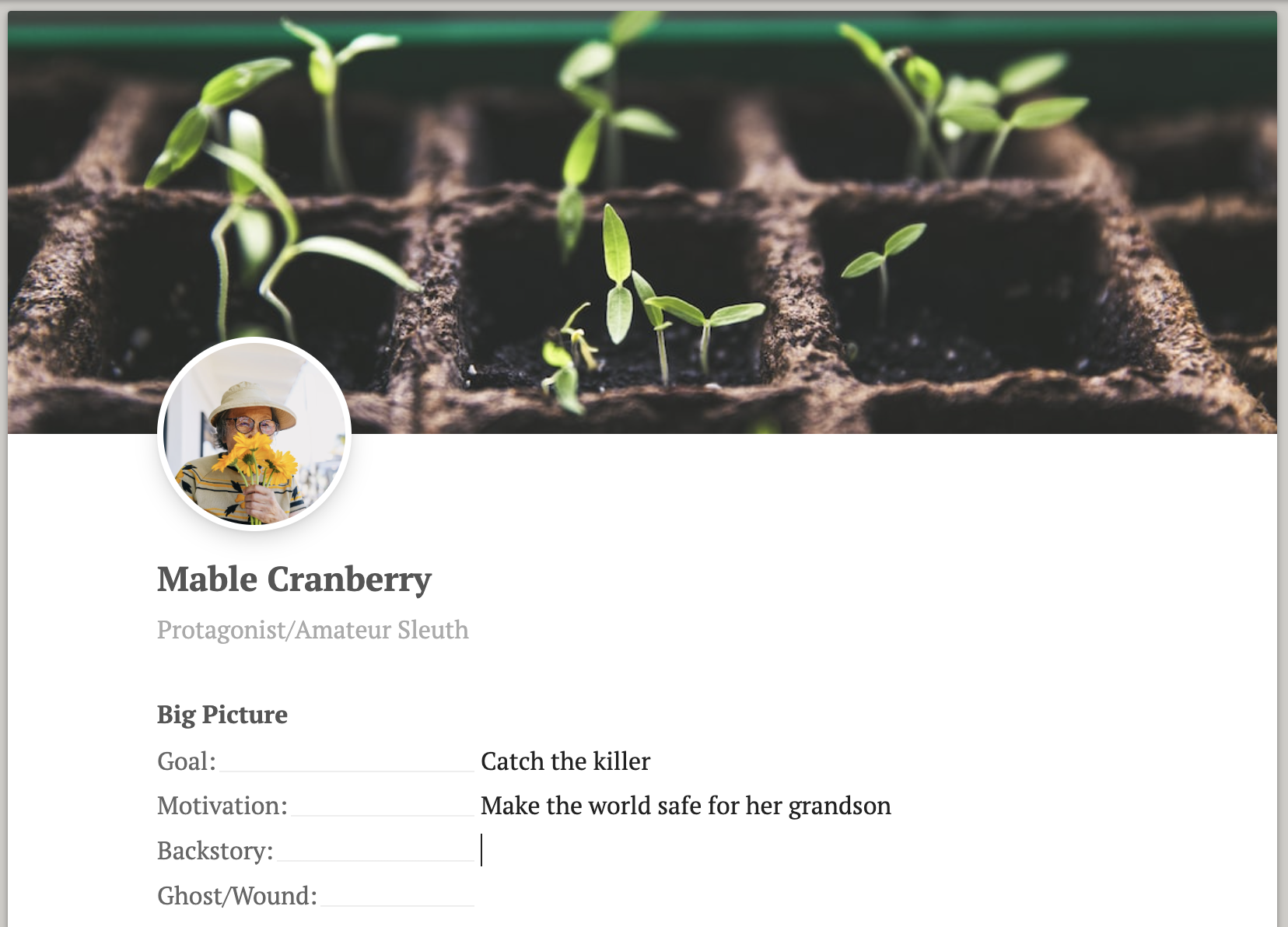
Even though you're just in the ideation phase, you'll want to start thinking about how you're going to organize your notes now and as you flesh out your characters.
Use whatever system works for you—notebook, note cards, digital document, whatever. Just get started now so your great ideas don't get away from you.
I'd personally recommend using Dabble Writer, and to be clear, that's a recommendation I'd make even if we weren't having this conversation on the Dabble website. This tool offers you tons of flexibility with customizable Character Profiles and the option to upload images and organize your characters into Casts.
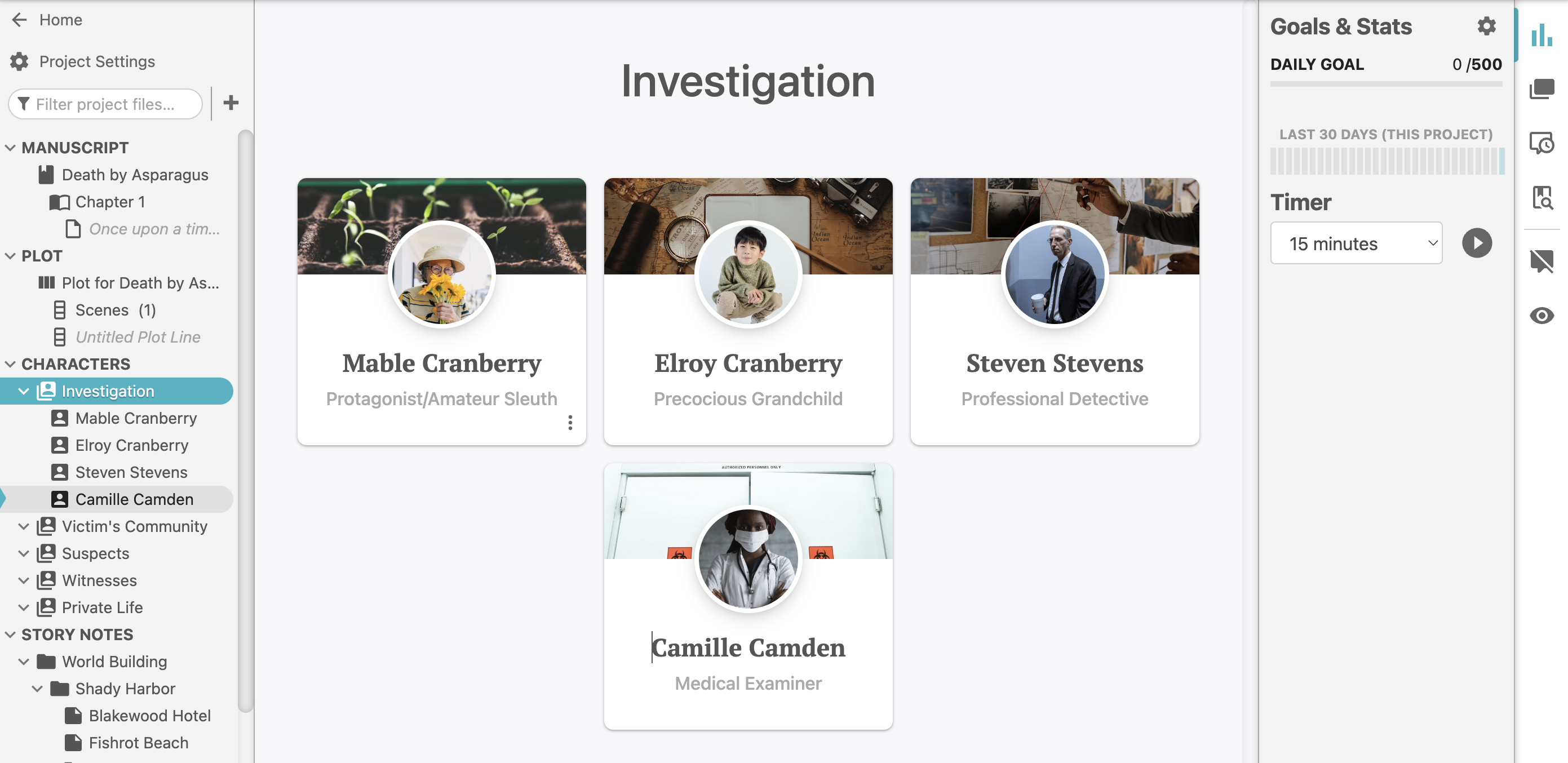
I especially love the fact that you can attach notes to Character Profiles. It allows me to keep all my rambling brainstorms and character interviews separate from the final summary of a character, while still having those rambles close at hand in case I need to reference them later.
If you're not already a Dabble Writer user, you can try it for free for 14 days at this link (no credit card required!).
But ultimately, all that matters is that your system works for you. So pick your strategy and start creating.
Character Writing Ideas
Whether it's the protagonist, antagonist, or a precocious child who knows too much about adult matters and/or sees ghosts, every character in your story should be a thoughtfully designed blend of several different components.
I'm going to lay out these character ideas component-by-component so you can skim through, see what you might be missing, and fill in the blanks accordingly.
As you explore each of the following components to build a well-rounded character, remember to keep in mind your overall vision for this fictional friend (or foe). You don't want to Frankenstein this character with a patchwork of character ideas that “just sound interesting." Each component should work with the others. They should serve the character arc and contribute to the plot.
Personality Traits
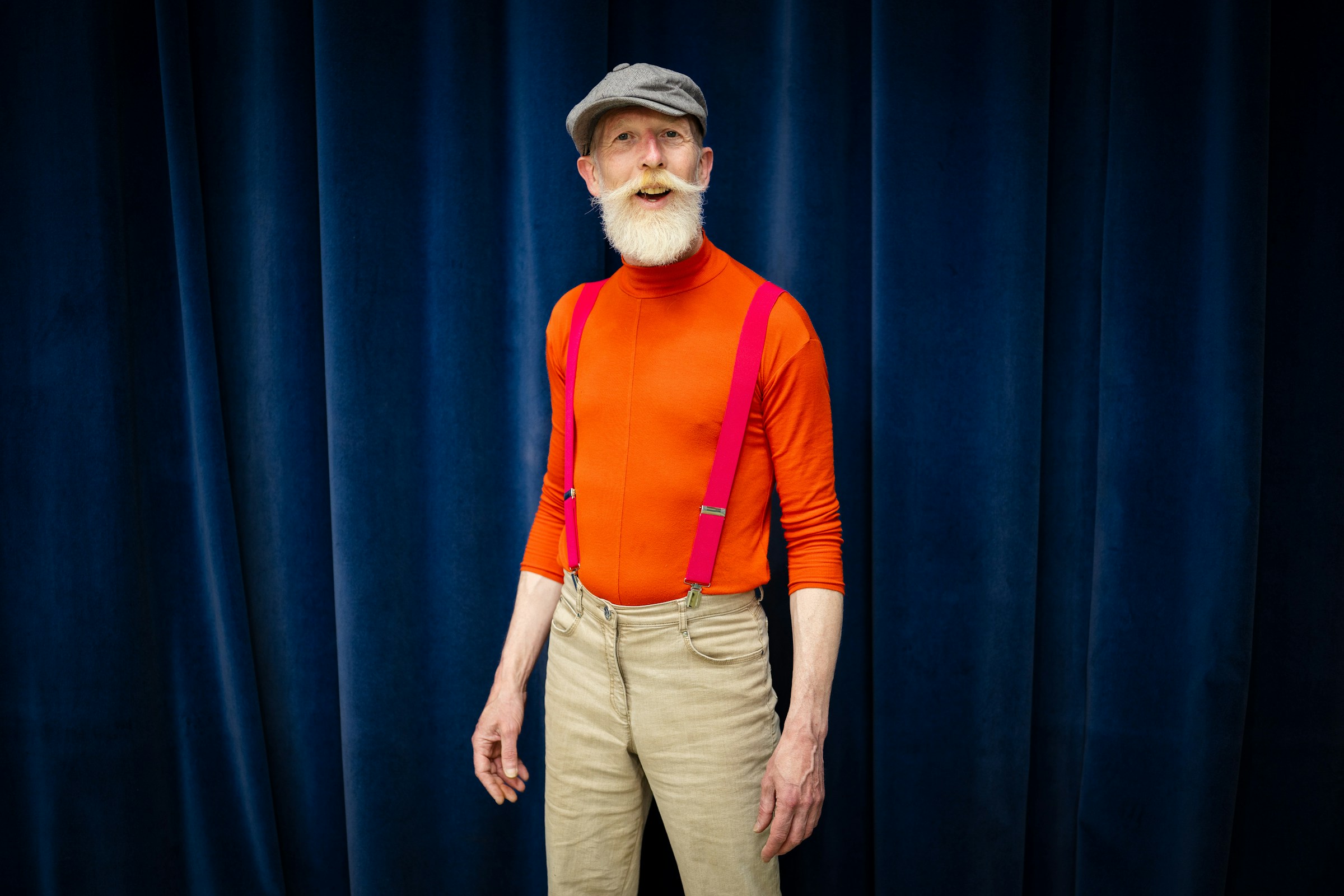
When we talk about personality traits, we're talking about your character's core essence. How would the people around them answer the question, "What is this person like?"
Are they generous? Self-righteous? Timid? High-strung?
As you develop your character more completely, you'll likely attribute some of their personality to their nature, while other qualities will be a result of their upbringing or life experiences. These explanations are key to creating a well-rounded character. For now, we'll just start by identifying their defining traits.
Questions for Brainstorming Personality Traits:
- What kind of first impression does this character make?
- How do others describe them?
- How do they see themselves?
- How do they feel and behave in social situations?
- Where are they most comfortable and why?
Character Ideas You Can Steal:
- Gregarious
- Uptight
- Generous
- Compassionate
- Self-involved
- Paranoid
- Risk-averse
- Foolhardy
- Fastidious
- Absent-minded
- Free-spirited
- Logical
- Creative
- Eccentric
- Stern
- Overly formal
Quirks
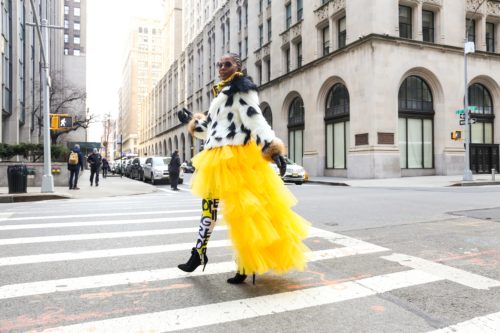
A quirk is a unique quality that makes your character's behavior or physicality particularly memorable. While a quirk is rooted in an internal trait (like an unusual fear of mailboxes), it manifests as a specific, repeated behavior (like a tendency to scream at mailboxes).
This character component can clue us in to what a character is feeling, reveal their values or priorities, or simply make them feel more real.
Questions for Brainstorming Character Quirks:
- Does your character collect anything? If so, why is that particular object important to them?
- What does your character do to soothe themselves when they're anxious?
- Is there a particular emotion your character is uncomfortable expressing? In what way does that suppressed emotion reveal itself?
- Is there a phrase your character constantly says out of habit?
- Does your character have an unusual passion for an obscure mission or mundane pastime?
- Does your character have a super-specific fear or pet peeve?
Character Ideas You Can Steal:
- Sneezes when they're nervous
- Has a bee for a pet
- Uses therapy phrases in everyday conversation
- Over-thinks simple decisions
- Under-thinks major decisions
- Can never find anything
- Has a new crush every month
- Has a new business idea every month
- Compulsively agrees with whomever they're talking to
- Finishes every story by saying, “And that's about the size of it.”
- Steals from the lost and found
- Hires a sitter to keep their houseplants company

Weaknesses and LimitationsWeaknesses and Limitations
You know every plot needs a major obstacle—that giant, snarling ogre blocking the path. But what about the giant, snarling ogre of the soul? What internal force is holding your character back from their goal?
Limitations are particularly important when it comes to that crushing “All is Lost” moment. This is usually when the protagonist must face the fact that they've let themselves down. If they want to win, they have to change.
Questions for Brainstorming Character Limitations:
- How might your character's personal values prevent them from solving a problem the easy way?
- Is your character chasing the wrong goal? Why can't they see what's actually best for them?
- How was your character raised to see themselves and the world? Are they stubbornly rooted in these old beliefs?
- What wound has taught your character to be closed-off, skeptical, desperate for connection, etc.?
- Is there someone your character just can't seem to say “no” to?
- What is your character's greatest temptation?
- Does your character have a physical limitation that makes it difficult for them to reach their goal? (Side note: If your character has a physical disability that you do not have, do your research and hire consultants or sensitivity readers. Someone from within the disability community can help you avoid harmful stereotypes or wrong assumptions, but never assume that help should be free.)
Character Ideas You Can Steal:
- Rejects potential allies because they think everyone's out to get them
- Gets violent anxiety hiccups whenever they have to make a speech
- Immediately trusts anyone who is nice to them
- Won't do anything difficult out of fear of failure
- Is desperate to impress someone who will never value them
- Cannot handle being alone
- Hates asking for help
- Has no sense of direction
- Cannot feel physical pain
- Wants to make it in high society but doesn't fit in
- Can't stop fixating on the worst-case scenario
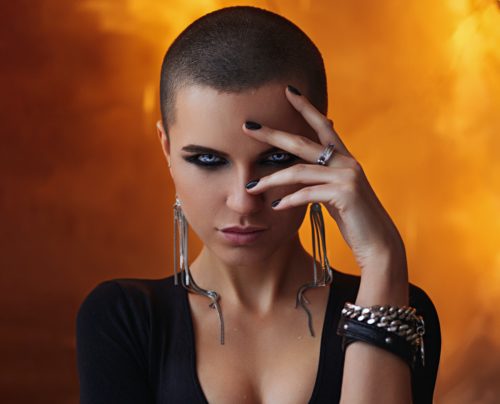
Physical Appearance
If you're hung up on that three-paragraph description of your character's appearance, you can let it go. There is no reader in all of human history who was desperate to know whether or not the protagonist had attached earlobes.
Instead, zero in on a few features that:
- Reflect personality,
- Tell us how others perceive the character, or
- Tell us how the character perceives themselves.
Heads-up: physical traits like race and disabilities do not need to have some deeper meaning. Diversity is a reality, and that's reason enough to reflect diversity in the stories we tell. On that note, here's an incredible resource for describing skin tone.
Questions for Brainstorming Physical Traits:
- Is there anyone in real life who reminds you of your character? Do they have any physical traits that seem to reflect their personality?
- How do others perceive your character?
- What physical feature is your character insecure about?
- What physical feature is your character proud of?
- Does your character have any scars, birthmarks, freckles, or other distinctive marks?
- How would your character like to be perceived? What do they do to make that happen?
- What is your character's favorite outfit?
- How does your character wear their hair?
Physical Trait Ideas You Can Steal:
- Wears unique glasses
- Dresses exclusively in clothes from the 1940s
- Has uncombable hair
- Loves make-up and does it up big every day
- Always wears the same color
- Looks exactly like their siblings
- Dresses up to take out the trash
- Would wear cut-offs to a funeral
- Has a prominent and poorly drawn tattoo
- Has a broken collar bone from an old hockey accident
- Wears the same accessory or item of clothing every day
- Always has dirt under their fingernails
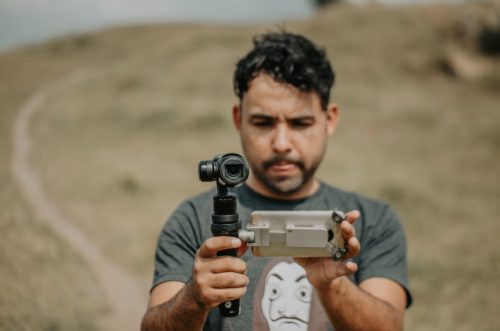
Occupation or Hobbies
“What do you do?”
I personally hate this question, because the answer, “I'm a writer” almost always leads to me having to explain how I pay my bills. Honestly, a lot of people I know hate being asked what they do. And yet, we all keep asking each other because it's informative.
How does this person spend their days? Is this their passion? If they hate it, what do they hate about it? What would they rather be doing?
We get the same great deets when we know how your character fills their hours.
Questions for Brainstorming Character Occupation/Hobbies:
- Does your character's job allow them to embrace their greatest strengths and interests?
- Is your character dreaming of a better job?
- Does your character hate their job? If so, why do they hate it? Why did they choose it?
- How does your character's job or hobby allow them to demonstrate their abilities?
- What limitations or weaknesses do we see when we see your character at work?
- How might your character's job experience serve them in their journey?
- What activity brings your character profound joy?
Character Ideas You Can Steal:
- Works as a trainer for a common alien pet
- Retired from the priesthood
- Works as an apprentice to a bounty hunter
- Spends every after-school hour writing fanfiction
- Works an intergalactic tollbooth and loves it
- Dreams of opening a cat café
- Animal spirit tasked with guiding a reluctant hero(ine) on a crucial quest
- Retiring after 30 years as a funeral home makeup artist
- Studies ballet to become a better football player
- Just got into competitive bird watching
- Runs a shoe store with their spouse and worries it's ruining their marriage
- Struggling as a taxi driver in a rideshare world
- Works as a tour guide at a windmill museum
- Became a runner just for the solitude
- Sells timeshares
- Aspires to be a knight but has a severe horse allergy
- Worn out from four centuries of banshee duty
- Looking for work as a full-time villain
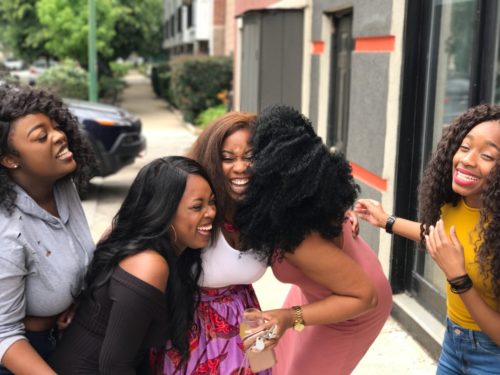
Relationships
Relationships are life. This is why I get frustrated (my husband might say “ragey”) when romantic comedies—one of the greatest art forms of all time—phone in the relationship with clichés.
She's pretty but doesn't know it because she's too busy chasing her dreams in the big city. He wasn't the boyfriend type until he saw her spill coffee on herself. They're both witty in the exact same way.
There's nothing wrong with the reassuring familiarity of a trope, but you still have to clarify why these two people are better together than they are apart. How do they bring the best out in one another?
No matter the genre, well-crafted relationships have the power to turn a generic trope into a textured human life. I'm talking all relationships: romantic, friendly, parent-child, boss-employee, superhero-butler. All of them.
Questions for Brainstorming Character Relationships:
- Who is the most influential person in your character's life?
- Who does your character fear, and why do they fear them?
- Does your character see themselves reflected in another person? Is it someone they admire or someone who reminds them of their own worst qualities?
- Who does your character feel compelled to protect?
- How does your character relate to others? Do they seek connection or avoid it? Do they put up a false front or allow others to see their true selves? Are they afraid of needing someone? Are they dying to be needed?
- Who makes your character feel safe?
- Who makes your character feel understood?
- Looking at one specific relationship: How does this person inspire or force your character to grow? How does your character feel about themselves when they are with this person? Does this person make up for any of your character's weaknesses or failings? How does your character feel about the world when they are with this person?
Character Relationship Ideas You Can Steal:
- Has a jealous mentor
- Actively trying to fall in love with their best friend because it would be convenient
- Just moved away from home and doesn't know who they are without family
- Relied on their sibling for stability and guidance growing up
- Feels like their most authentic self when they're with their love interest
- Feels weak and unimportant beside the protagonist
- Longs for the approval of literally any authority figure
- Beginning to distrust their oldest friend
- Feels like they have to be helpful to be valued

Motivation
Can you imagine if Katniss was just in it for the cool clothes? Would we find Inigo Montoya as endearing if he were after the six-fingered man because the six-fingered man owed him money?
If motivation wasn’t important, there wouldn't be a raging debate about whether or not Snape's childhood trauma and lifelong love for Lily redeem him. (They don't. But these details do give him depth.)
Motivation grounds your character's extreme actions in a logic that makes sense to your readers. It also heightens conflicts, helping your readers understand how high the stakes are for your characters.
Questions for Brainstorming Character Motivations:
- What has your character sworn never to do?
- What has your character promised always to do?
- When your character daydreams, what kind of life do they imagine?
- What is missing in your character's life right now?
- Is there a terrible mistake your character must correct?
- Was your character's childhood idyllic? If so, what aspects of their childhood do they want to carry into adulthood?
- Was your character's childhood painful? If so, how do they want to correct that pain in their adulthood?
- What does your character fear most?
- What does your character long for the most?
- In your character's perception, what would it mean to be happy?
- What does your character want to avoid at all costs?
Character Motivations You Can Steal:
- Fear of abandonment
- Fear of losing their own identity inside a relationship
- Feels most powerful when manipulating others
- Fear of outshining a parent or mentor
- Can read minds, which creates an impulse to fix everyone else's problems
- Wants to create the perfect suburban life
- Wants to be a bigger star than their famous sibling
- Promised to avenge a loved one's death
- Said to be the only being who can save the world from a dark lord
- Sick of living under an oppressive ruler
- Wants to be valued by society
- Wants to be free

Flaws
Not even your hero can be all heroic. Perfection robs your character of an arc. Even side characters are more enjoyable when they have a few messy layers. After all, flaws are human. They give your characters depth and motivate their bad decisions, which is important, because without bad decisions, there is no conflict.
Just make sure your character's flaws serve the story. It might help to think of their flaws as intertwined with limitations. How are their personal shortcomings holding them back?
Questions for Brainstorming Character Flaws:
- What perfectly reasonable thing does your character hate?
- Is your character prone to jealousy?
- What is your character stubborn about?
- What would your character be like as a roommate?
- How might your character's backstory understandably change someone for the worse?
- What would be the worst mistake your character could make in your story? What flaw can you give them to make that mistake feel inevitable?
Character Ideas You Can Steal:
- Disorganized
- Rude to children
- Rude to the elderly
- Suspicious of everyone
- Talks over people
- Talks before thinking
- Has poor impulse control
- Foolhardy
- Self-involved
- Self-neglecting
- Nosy
- Easily manipulated
- Naive
- Pessimistic
- Has impossible standards
For even more thieve-worthy ideas, check out our article on character flaws.

Philosophy
When you nail down your character's worldview, you help your reader understand them better. Their choices start to make more sense and they might even become more sympathetic. Or more infuriating! It's all in your hands, you crafty puppeteer.
Just try to avoid writing too much philosophy into dialogue, unless that's your character's quirk. Most people just do what they do and say what they say without explaining themselves. Philosophizing should be saved for moments when someone demands an explanation.
Questions for Brainstorming Character Philosophy:
- What are the central beliefs and values of your character's religion?
- What are the central beliefs and values of your character's culture?
- How does your character view money? Power? Political or cultural influence?
- Does your character believe people are inherently good or inherently bad?
- Does your character do something you would consider bad? How would they justify that action?
- What is something society sees as good that your character would classify as bad?
Character Ideas You Can Steal:
- Sees the worst in everything
- Sees the best in everything
- Has a new conspiracy theory every day
- Wants to return to nature and total self-sufficiency
- Believes all magic must come from an evil source
- Is a strict pacifist
- Believes money is evil
- Believes money is the only thing in the world that makes sense
- Thinks it's pointless to engage in anything that isn't fun
- Assumes everyone is only out to help themselves
- Trusts a higher power to provide for them or give them the answers
- Believes in ghosts
- Only believes in what can be observed

How to Make Your Characters Feel Real
Ever do that thing where you start telling someone about the funny thing your friend said the other day, then rack your brain trying to remember which friend it was only to realize it wasn’t a friend? It wasn’t even a person! It was only a series of words that your brain turned into a memory.
This is the kind of wizardry you can accomplish when you know how to make your characters live and breathe. And how do you do that?
Putting together a robust combination of the character components above will help. To take it to the next level, try these tips:
Steal from Your Life
Observe your loved ones. Look at the stranger FaceTiming with her kid in the coffee shop. Look at yourself. The more we observe real people and the better we understand ourselves, the more familiar we become with the details that make our characters feel real.
Play (Carefully) with ContrHow to Make Your Characters Feel Real
Ever do that thing where you start telling someone about the funny thing your friend said the other day, then rack your brain trying to remember which friend it was only to realize it wasn't a friend? It wasn't even a person! It was only a series of words that your brain turned into a memory.
This is the kind of wizardry you can accomplish when you know how to make your characters live and breathe. And how do you do that?
Putting together a robust combination of the character components above will help. To take it to the next level, try these tips:
Steal from Your Life
You can always find a little inspiration in the real world. Observe your loved ones. Look at the stranger FaceTiming with her kid in the coffee shop. Look at yourself. The more we observe real people and the better we understand ourselves, the more familiar we become with the details that make our characters feel real.
Play (Carefully) with Contradictions
Real people are complicated. They can hold conflicting beliefs at the same time. They can be type-A about one thing and loosey-goosey about another. Let your character contradict themselves. But try to make the contradiction carry some logic in their own head.
Try Character Interviews
In a character interview, you ask your character a question and write their response in their own voice. It's a great way to get in touch with your creative side and go deeper with your characters. You can use these brainstorming questions to establish goals, motivations, flaws, internal conflicts, and more.
All these details will help you create characters that feel real. You can find a whole bunch of character interview questions here and here.
Be Specific
Your character could “love classical music,” or they could play The Best of Brahms on their commute everyday, letting the music sweep them beyond their anxiety-ridden life.
See the difference? When you translate your character's feelings, thoughts, desires, and fears into a specific choice or habit, you make them feel real.
Dive Deep on Archetypes
Take a little voyage into the world of character archetypes or the Enneagram.
Studying characters as specific “types” may feel like a step away from human character design. But it's actually a great lesson in emotional logic. Each character model has a set of fears, desires, and experiences that naturally lead to their defining motives, traits, and values.
Study What Works
You know the rule: if you want to write well, you've got to read a lot. This goes for character development, too. Make a list of all the characters that still feel so real to you. Then go back and study them. Why do they work?
Master Their Voice
Does your character speak in short, direct sentences, or are their sentences slow, long, and rambling? Are they smooth and articulate or constantly searching for words? What phrases do they tend to repeat? Do they have any nicknames for other characters?
Whether your character only speaks in dialogue or they’re the narrator of your story, a little voice work can do a lot to make them real for your reader.

Let Your Character Become a Real Boy
In The Art of Character, David Corbett makes a strong argument for allowing your characters to evolve throughout the process. As Corbett says:
“...we start with a bit of raw material that interests us, and work at it day and night, not just deliberately and attentively but lovingly, until finally, like Pinocchio, through some strange paradox, that bit of material takes on a life of its own.”
You don't have to worry about collecting the perfect character ideas from the get-go. Find what makes sense for now, put your creature on the page, and let the rest be a process of discovery. If your character starts pulling you another direction, follow joyfully. It means you've created something real.
That is to say, you're living the dream.
Now, before you get to work, I want to remind you about the very best way to keep track of your character ideas as they arise: Dabble Writer. It's seriously so fun to work with the Character Profiles and customize them for your story. You can also use the Plot Grid to track character arcs and have all this essential information right at your fingertips as you type your manuscript.
You've really got to check this thing out. And by “check it out,” I mean “try it for free for fourteen days by clicking this link."
SHARE THIS:


TAKE A BREAK FROM WRITING...
Read. Learn. Create.

What's the difference between direct and indirect characterization? And is one better than the other? Here are the answers you've been looking for.

Always wanted to know the secret to telling a good story? This guide lays it all out for you.

Discover the best writing tools for everything from brainstorming and organizing to drafting, revising, and managing your time.