
High Fantasy vs Low Fantasy: Demystify the Difference

Every fantasy author should know the difference between high fantasy and low fantasy.
These terms allow you to instantly communicate a few key details about the type of fantasy you write. They provide a shorthand for explaining what type of world your readers can expect and the kind of story they can look forward to.
And that language really comes in handy when you start pitching your manuscript or marketing your book.
So if you could use a little clarity, I’ve got you covered. We’re about to discuss how each of these fantasy categories is defined, how they differ from one another, and how these differences impact your job as the author.
By the end, you’ll hopefully know where your story falls on the spectrum… or, at least, where you want it to fall.
What is High Fantasy?
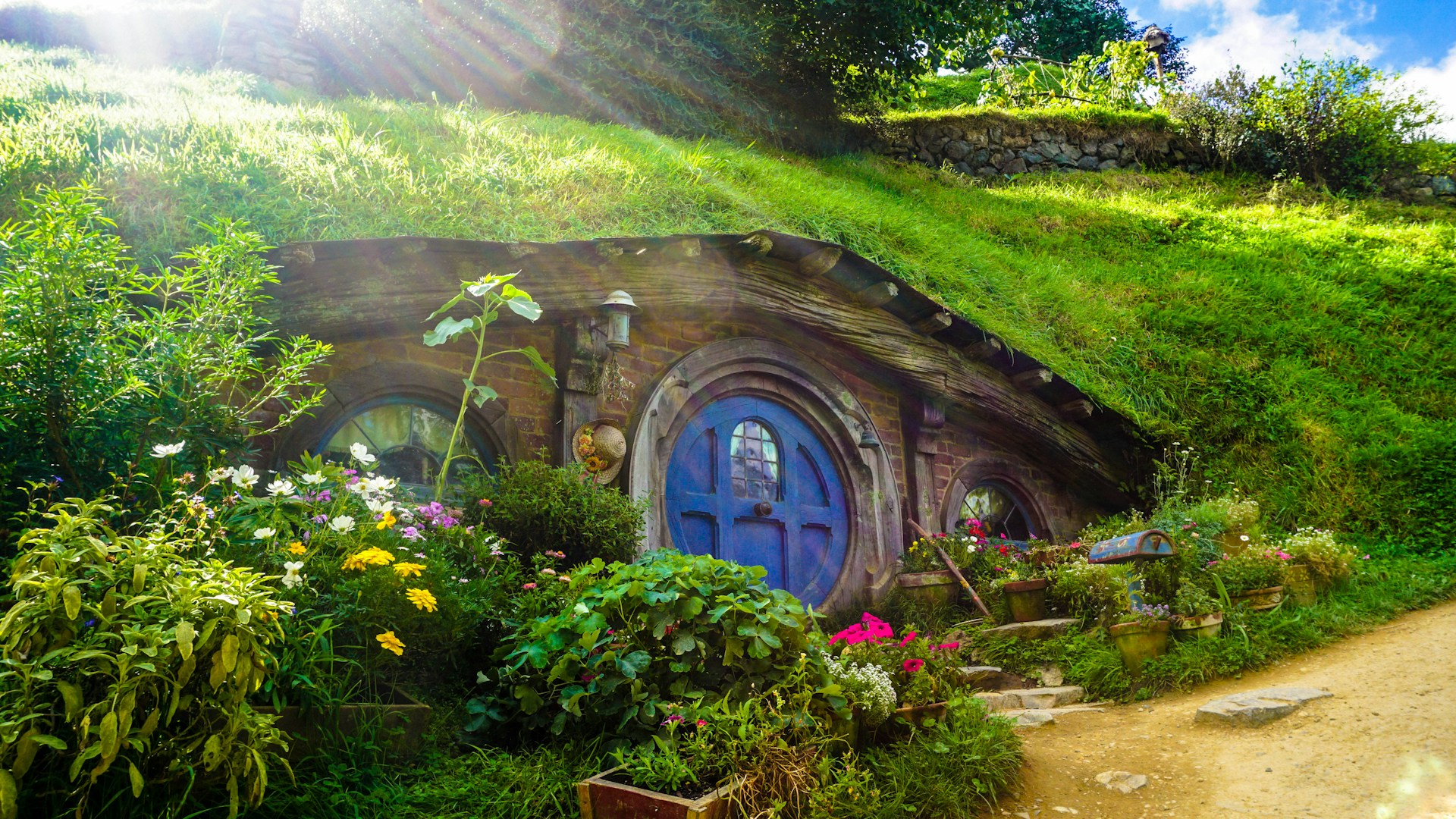
High fantasy is fantasy set entirely in an imagined world (generally referred to as a secondary world).
High fantasy writers create an entirely new reality for their characters to live in. They dream up every detail of their magical world, from the geography to the political landscape.
That’s the official definition of high fantasy, but the term carries a lot more associations beyond the setting.
High fantasy is also known as “traditional fantasy,” “sword and sorcery fantasy,” and “epic fantasy.” This is the genre most people think of when they hear the word “fantasy.”
It’s the one where brave heroes and heroines go on epic quests across diverse landscapes to save the world from evil forces. They encounter a wide range of characters, cultures, and fantastical creatures on their journey. And the journey itself takes a minimum of 500 pages (okay, that might be a slight exaggeration), though it’s more likely to take a full trilogy.
Examples of High Fantasy Novels
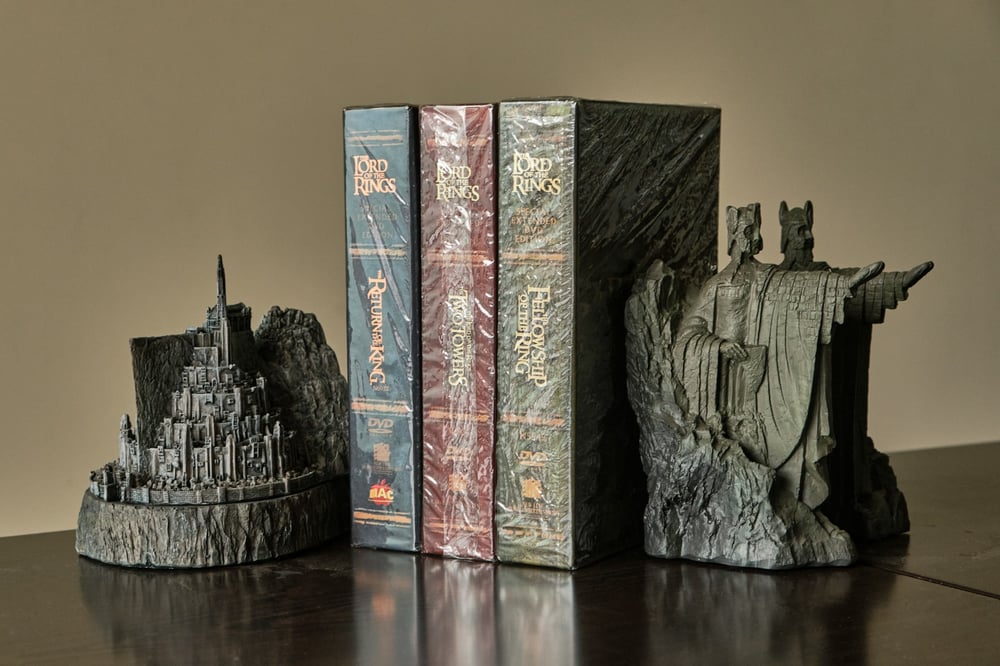
Lord of the Rings by J.R.R. Tolkien - This is the most famous example of high fantasy. You’ve got the fictional world of Middle Earth, a powerful wizard with unfathomable power, a long quest to destroy a magical object, and a vast cast of characters from different societies.
Children of Blood and Bone by Tomi Adeyemi - This high fantasy novel is set in a secondary world inspired by West Africa. It follows a bold young heroine who seeks to restore magic to a nation where diviners have suffered severe oppression. It also provides a rare opportunity to explore a high fantasy world not inspired by medieval Europe.
A Game of Thrones by George R.R. Martin - This epic fantasy features warring kingdoms, royals in exile, undead wights, baby dragons… the whole nine yards. And it’s all set within the volatile, imaginary world of Westeros.
What is Low Fantasy?

Low fantasy includes any fantasy story set within the primary world—that is, the real world. This fantasy genre is sometimes referred to as “intrusion fantasy,” due to the “intrusion” of fantastical elements on an otherwise normal world. As you might expect, this genre features fewer fantasy elements than high fantasy.
There are many, many subgenres that fall under the heading of low fantasy, including urban fantasy, historical fantasy, paranormal fantasy, superhero fantasy, gaslamp fantasy, and fantasy of manners, as well as many dark fantasy novels. Some also consider magical realism a subgenre of low fantasy, though others classify magical realism as literary fiction. A discussion for another time.
There are a lot of ways to play the fantasy-meets-reality game, but one thing nearly all low fantasy stories have in common is that the storytelling tends to exist on a smaller scale than that of high fantasy.
If there’s a grand quest, it’s usually completed within a single book… a single book with a reasonable page count. And the conflict is usually something personal. The protagonist sets out to save themselves or someone they love rather than the whole world.
Examples of Low Fantasy Novels
The Invisible Life of Addie LaRue by V.E. Schwab - This low fantasy novel takes place in 18th century France and modern day New York. It centers on a young woman who makes a bargain with a god of the night: Immortality but, in exchange, she is immediately forgotten by everyone she meets. Real-world setting and personal stakes… low fantasy to a tee.
The Harry Potter series by J.K. Rowling - Okay, so you do get large-scale stakes in this one, as Harry and company are ultimately responsible for saving the entire wizarding world from the oppressive rule of a dark lord. But it’s still set in the primary world and features a heavy emphasis on personal conflict and evolving relationships.
Magic for Liars by Sarah Gailey - An ordinary private investigator takes a job solving a murder at a magical academy. This one is great to check out if you’re interested in writing a low fantasy story that explores relationships between magical and non-magical people.
Writing High Fantasy vs Low Fantasy

Whichever you choose to write—high fantasy or low fantasy—you want to make sure you incorporate the key elements readers expect in your chosen genre.
That’s why it’s absolutely essential to read a ton of books like yours. It will help you learn the tropes, absorb the style, and understand the recurring themes and emotional experiences that make these stories so appealing.
In the meantime, here are some key differences to know before you start brainstorming your fantasy novel.
Worldbuilding
Both subgenres demand thoughtful worldbuilding. After all, the setting is a huge part of the appeal in any fantasy story, whether it’s a breathtaking secondary world or a seemingly ordinary Victorian London run by hidden magic.
Nevertheless, your priorities and focus will be slightly different depending on whether you decide to go high or low.
High Fantasy Worldbuilding
High fantasy writers have a massive job ahead of them. They’ve got to create an entire alternate world.
We’re not talking casual world creation, either. A dragon here, a mountain there. No, my friend. If you’re writing high fantasy, you’re likely dealing with epic journeys, deep history, widespread power struggles, multiple civilizations, and a lot of fantastical creatures. There will probably be a map in your front matter.
That means you’ll have to consider everything from landscapes and climate to religion and language. This article can get you started. DabbleU Academy members can check out this workshop, too.
You’ll also be working with a more complex magic system than low fantasy writers. Don’t worry; we’ve got an article to help you out with that, too. (Plus a workshop for the DabbleU Academy scholars.)
Low Fantasy Worldbuilding
If you go with low fantasy, your worldbuilding is a little easier. Aside from any changes you make to suit your story, your world’s geography, cultures, and history are already determined by reality. You either know it or you can research it.
Your biggest task is figuring out what it means for fantasy elements to exist in a real world setting.
Is magic hidden or a visible element of everyday life? How complex do you want your magic system to be? Do you have one character with shapeshifting abilities, or is there a whole world of witches, goblins, and vampires hidden within your ordinary universe? Do non-magical people interact with magical creatures?
Tone and Style
Newer writers often overlook tone and style, but these details have a tremendous impact on the way a reader experiences a story. They set the mood, direct emotions, and help your audience lose themselves in your world.
So it’s important to know what kind of experience readers are looking for when they pick up a book like yours.
The Tone and Style of High Fantasy
Now, there is some flexibility here. Not all high fantasy novels read like Tolkien, especially modern fantasy fiction.
But for the most part, these stories tend to use slightly elevated language and a more formal tone. Your readers are also looking for grand adventures and stunning magic, so strong, vivid imagery is always a good move.
And because high fantasy worlds are so extensive, you can get away with a little more telling in this genre than you can with its less complicated sibling.
The Tone and Style of Low Fantasy
When you study the tone and style of low fantasy, it’s really important that you read books in your chosen subgenre. A fantasy of manners reads very differently from paranormal P.I. fantasy.
The one thing nearly all low fantasy stories have in common is that they don’t read like high fantasy. The language tends to be a little less formal and more modern (whatever that may mean for your subgenre). You also want to include immersive scene descriptions without lingering too long on the details.
And because your world requires a lot less explanation, your readers will expect you to communicate most of your exposition through showing rather than telling.
Conflict
In any fantasy story, you’re going for compelling conflict with high stakes. But it’s the scope of those stakes that often separates high fantasy from low fantasy.
High Fantasy Conflict
In this genre, conflict often involves lengthy quests, epic battles, and sometimes even wars that span generations. The protagonist may be dealing with a small personal conflict on the side, but their primary conflict comes with global stakes, meaning the outcome impacts the entire world—even if they aren’t aware of it for a while.
Low Fantasy Conflict
You see global stakes in low fantasy as well, but it’s far more common to emphasize personal stakes. The protagonist may be trying to gain status, protect a loved one, make up for a past failing, or get revenge.
The events of the conflict are often smaller and more personal, too.
Characters
The basic rules of strong character development apply to both high and low fantasy. You want fully developed characters with clear goals, motivations, and weaknesses.
Beyond that, there are certain character types that you readers might be expecting.
High Fantasy Characters
First of all, high fantasy stories are packed with characters. It’s a natural side effect of having a sprawling world and wide-reaching conflict.
These characters don’t all have to be complex or fully fleshed out. Many will be tertiary characters who play a small role in your epic story. But they will likely represent several different civilizations, languages, and cultures, so be ready for that.
As for the protagonist, this is usually either a heroic character with exceptional abilities or a Common Person thrown into extraordinary circumstances and transformed into a hero(ine) as a result.
In either case, the main character is often self-sacrificing and courageous, ultimately choosing the good of others over their own wellbeing.
Low Fantasy Characters
With a more confined world, you get to deal with a smaller cast of characters. And because low fantasy contains so many different subgenres, you also find a wider variety of protagonists.
A lot of dark fantasy falls under the category of low fantasy, with main characters who are anti-heroes or even villains. Urban fantasy often features protagonists who are grounded and gritty but ultimately good.
And many stories across low fantasy focus less on the protagonist’s heroism and more on their personal evolution as they confront their demons (literally or figuratively), explore their identity, or build new relationships.
As always, research your own subgenre to understand what type of protagonist your readers are hoping for.
Pros and Cons of High Fantasy vs Low Fantasy

If you’re still not sure what type of fantasy you want to write, these pros and cons lists might help:
High Fantasy Pros
- The conventions and tropes are familiar to most readers.
- The epic scope is thrilling and awe-inspiring.
- You have full creative reign as you design an entire universe from scratch.
- Your vast magical world gives your readers plenty of space to engage with the setting, from fan fiction to fan art. It also opens the door for spin-off series.
High Fantasy Cons
- Worldbuilding is time-consuming and complex (though that’s actually a pro for many high fantasy writers).
- Plotting also tends to be complex, as high fantasy stories are long, balance a bunch of subplots, and the story often spans across several books.
- The complexity of the world and story creates a high risk for infodumping.
Low Fantasy Pros
- The worldbuilding is much easier.
- You have a lot less exposition to squeeze into your storytelling.
- You have loads of options with a wide range of subgenres to choose from.
- The writing process usually goes more quickly thanks to a less complicated world and shorter page count.
Low Fantasy Cons
- Your storytelling is somewhat limited by the real-world time and place you’ve chosen as your setting.
- It can be challenging to integrate magical and fantastical elements into the ordinary world without creating accidental plot holes.
- If you fail to establish the logical balance of magic and normal life, the use of magic can feel like a convenient plot device.
Do You Have to Choose One or the Other?
At this point, you may feel yourself pulling toward one fantasy genre more than the other. But if you find yourself feeling reluctant to forgo all the perks of either version, you should know there is a third option.
It’s called middle fantasy, and it includes anything that feels more like it lands somewhere on the high-to-low spectrum rather than taking a clear position at either end.
Maybe your protagonist travels between the primary world and a secondary world. Or your story is set in a secondary world but features small-scale conflict or a villain protagonist.
You don’t have to commit to the specific guidelines of high or low fantasy. After all, this is speculative fiction, and the entire point of speculative fiction is to pursue and explore new possibilities. To imagine the unimagined. To enchant, intrigue, and delight.
The path you take to get there is entirely up to you.
High or Low, Write Your Novel With Dabble
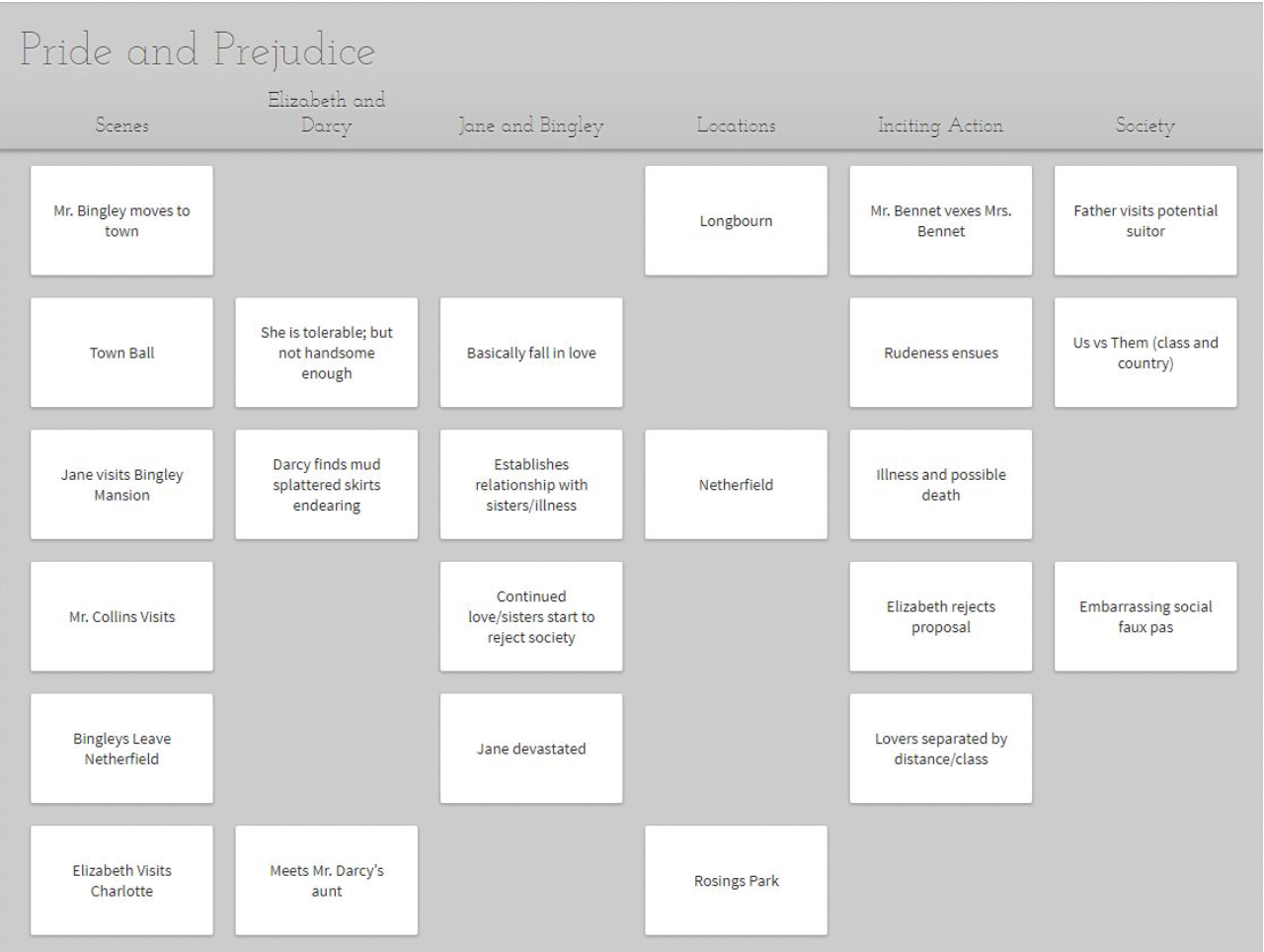
That’s my final piece of advice. Dabble is an excellent tool for any writer, but it’s especially valuable for fantasy authors.
Whether you’re inventing an entire imaginary world or researching the real one, Story Notes provide an easy way to create an organized worldbuilding bible that’s just one click away as you write your manuscript.
And the Plot Grid allows you to see all the twists and turns of your story at a glance, even if you’re writing a 600-page epic.
You can try all Dabble’s Premium features free for two weeks by clicking this link (no credit card required).
So get to it! Your fantasy world awaits.
SHARE THIS:


TAKE A BREAK FROM WRITING...
Read. Learn. Create.

What's the difference between direct and indirect characterization? And is one better than the other? Here are the answers you've been looking for.
Always wanted to know the secret to telling a good story? This guide lays it all out for you.

Discover the best writing tools for everything from brainstorming and organizing to drafting, revising, and managing your time.