How to Start Writing: A Guide for Aspiring Authors
Unsure of how to start writing? This easy guide and checklist will help you turn your writing dreams into a reality.
)
Sometimes when you ask a writer how to start writing, you get this warning: If you can find happiness doing anything other than writing, do that thing.
__The theory is that writing is such a difficult and heartbreaking craft that only those tortured souls driven by a relentless desire to write should pursue it.
My take on this theory is that we, as artists, could probably stand to chill out a little.
Writing is hard, especially if your ultimate goal is to make a living as a writer. It's also deeply rewarding. Through writing, you make discoveries about yourself, learn to think differently, and create something out of nothing. Out of nothing! Like a genie!
If you have a story that occupies your every thought and won't stop clawing at your heart until you release it into the world, you need to start writing.
__Or if you just always thought you might have fun writing a book, you also need to start writing. Maybe you'll find the reward is worth the struggle. Maybe you won't. Or maybe you'll discover the secret most folks won't tell you: you are allowed to write simply for the fun of writing.
__If you want to write—for any reason—you belong here. I'll show you how to get started, and if you could use a little more guidance when we're done here, you can check out the self-paced DabbleU Academy course, Finally Finish Your First Draft. It's nearly three hours of instruction that comes with workbooks packed with exercises and a blueprint for developing your own writing plan.
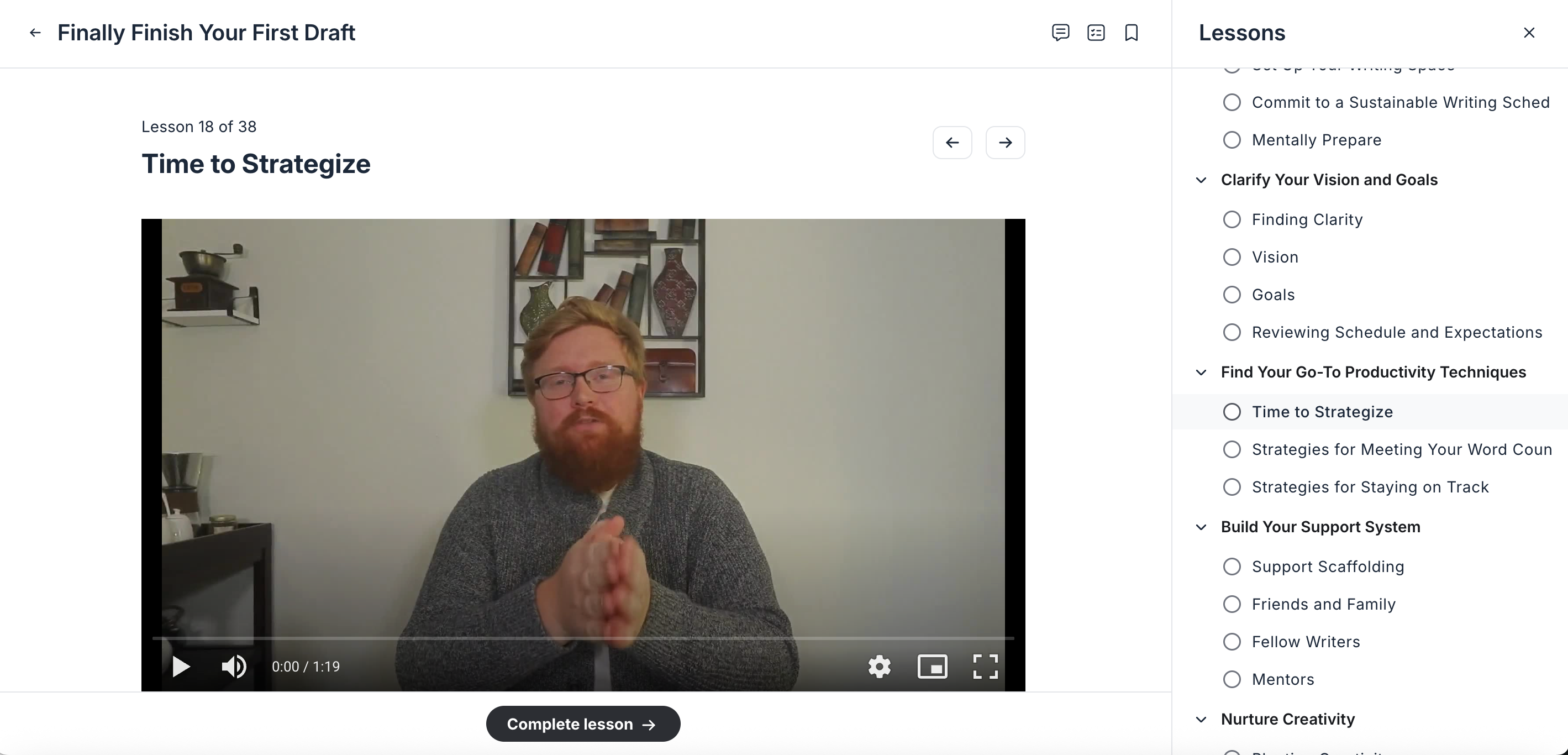
It's also free and available to everyone, making it a great way to get a glimpse of the fantastic resources available to DabbleU Academy members. Bookmark this link so you can dig into it later. For now, let's cover the basics.
Get Into a Writer's Mindset__
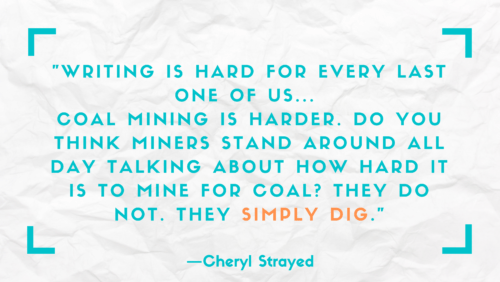
The first step is to learn to enjoy the process, because it's almost all process. Whatever goal you're working towards is off on the horizon, miles and miles away. Yeah, you'll feel great when you get your hands on it, but that moment is a flicker compared to the time you will have spent on the journey.
And that journey is going to suck if the only thing driving you forward is the hope of one day meeting Reese Witherspoon.
You know what makes the journey better?
Feeling a genuine curiosity about how to give a character a compelling psychological past. Experiencing a chill when you finally see how to ramp up the tension in your story. Taking pride in your progress when you get a personalized rejection instead of a form letter.
Trust me, if you can love the process, you have a much better shot at writing the kind of book Reese would slap her sticker on.
Create Your Writing Environment

What's your dream writing environment? Mine is an antique desk in an attic window, overlooking a lake. I am wearing an asymmetrical sweater. My jasmine tea never gets cold.
Of course, this is all fantasy. My real desk is a glass-topped patio table I pulled off a neighbor's front curb when I was twenty-three and had no desk money. More than a decade later, it remains the one place I can truly think clearly.
If you have no idea how to start writing because your writing space does not inspire, here's the secret: Establishing the perfect writing space is largely about establishing a routine. If you practice writing in the same place every day, your brain learns to associate that place with focus and creative thought.
So just create the best space you can and commit to showing up. Here are some considerations to get you started:
Comfort: What do you require to settle in and feel calm but alert? A cozy armchair or a standing desk? A wide surface to spread out your notes or a small surface to focus your attention? An ergonomic desk chair and keyboard to make sure all those glorious writing hours don’t take a toll on your body?
Focus: What helps you shut out the world? Headphones? A closed door? Do you actually focus best with ambient sound, like at a coffee shop or in a park?
Inspiration: What will help you tap into the mood of what you're writing? Keep a bulletin board where you can pin images, quotes, or other story-sparking items. Maybe leave space on your writing surface for an object that encompasses the spirit of your story.
Trigger: Add one sensory experience that happens every time you write and only when you write. Light a candle, brew a cup of tea, or play a specific song.
Remember: you absolutely can work with what you've got. If you find yourself storming away from your computer because the desk is too brown or the room is too square, the problem is not the space. The problem is a fear of getting started.
Assemble Your Writing Tools
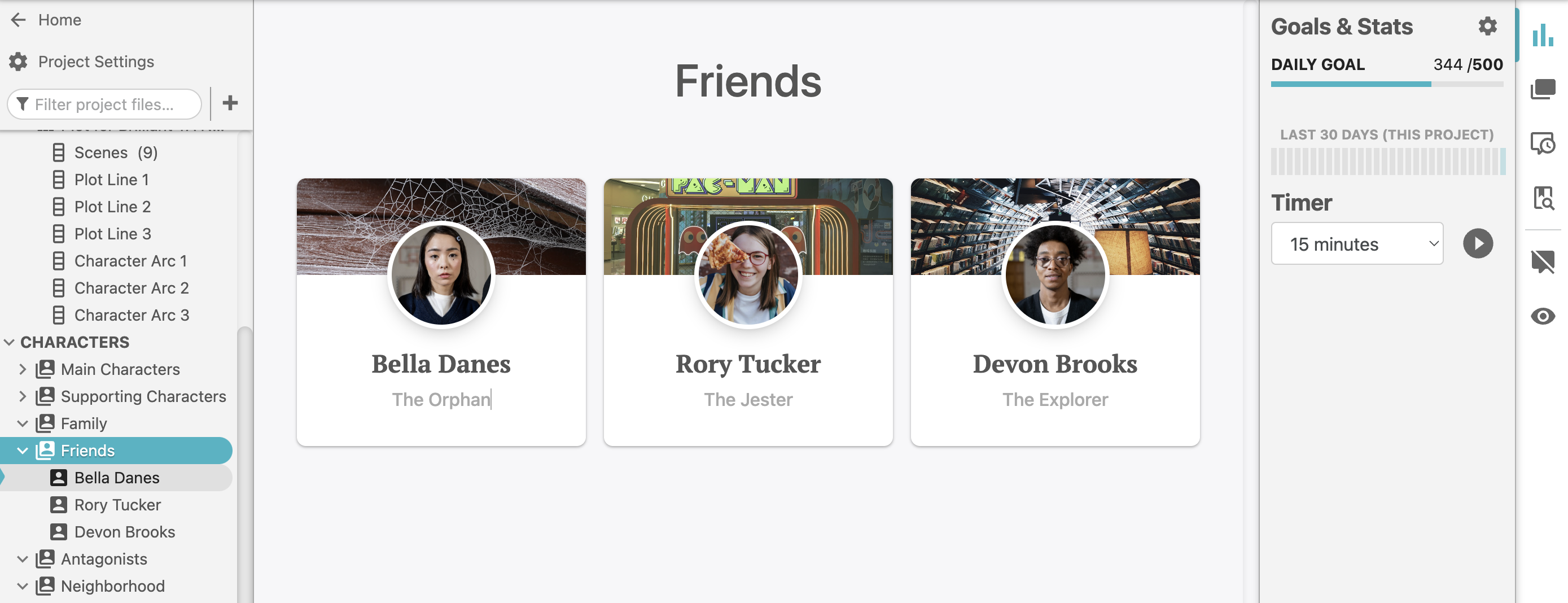
Much like creating your environment, assembling your writing tools can become an easy excuse to procrastinate. Don't worry about having everything on hand before you get started writing. Do your best to gather a few essentials and adapt as you go. Here's what most writers find themselves reaching for during a writing session:
Writing software: The classics like Word and Google Docs get the job done. But it can also be a huge help to invest in a software that helps you write your best story by providing functions like novel plotting and character notes. Something like, oh, say… Dabble Writer.
A timer: This frees you from keeping an eye on the clock. It's also a great psychological tool. Commit to writing for just twenty minutes, and there's a 94% chance you'll get into the groove and won't want to stop at twenty. You can also use Dabble's built-in word sprint tool to challenge yourself to knock out as many words as you can in a set amount of time. Or join us and the rest of the DabbleU community for group word sprints. You don't even have to be a Dabble user to join!
Notebook and favorite pen: Or whatever note-taking app you use to brainstorm or capture stray story ideas as you go. (Again, I feel compelled to mention that you can use Dabble Story Notes for this, which means having all your thoughts organized just a click away from your manuscript.)
Books on writing: There are some incredible writing books out there, but they don't all need to be in reaching distance from your desk.
These are the ones to keep close:
Your favorite style and grammar book
A book of writing prompts
A guide for the area of writing that is plaguing you, like dialogue or character development
A non-writing reference book related to your subject (The Complete Manual of Things That Might Kill You is my weirdest go-to.)
A book that sparks creative thought, like a dream interpretation guide or the Penguin Dictionary of Symbols.
You can also download our free e-book, Let's Write a Book.
Again, don't worry about being fully stocked before you start. It's more important to just start.
Schedule Your Writing Time
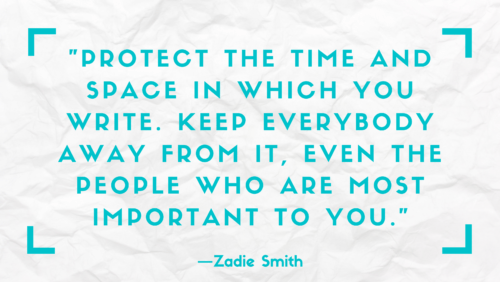
Learning how to start writing is really only half the battle. The big question is how to keep writing. And writing consistently is much, much more important than writing a lot.
If you're trying to bring a writing habit into a life already packed with priorities like family and earning income, it's okay to fit writing into the gaps of your life.
_However_, it really helps to schedule the gaps.
Are you going to write for half an hour in the morning when the rest of the house is asleep? On your lunch break? While your spouse is watching Dateline?
When you don't commit to writing in a specific block of time, a fascinating phenomenon occurs. You suddenly remember the laundry you need to fold, the friend you need to call back, or the defective paper towels you need to return ASAP.
Commit, and tell the people who love and support you about that commitment. Ask them to hold you accountable and leave you alone.
This rule applies even if you're ready and able to make writing a top priority. Whether you give it four hours a week or twenty hours a week, guard your writing time like you made an oath under punishment of death.
Set a Weekly Writing Goal
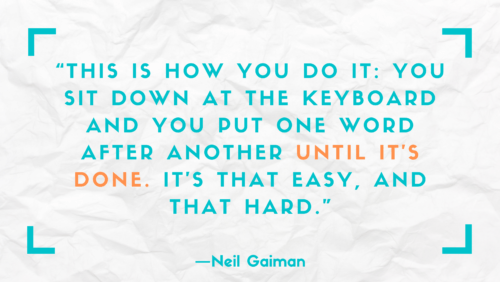
If you want to know how to start writing because you have a serious objective in mind, like writing a book, set some SMART goals. In case you're not up to speed on your productivity acronyms, a SMART goal is:
Specific
Measurable
Achievable
Relevant
Time-Bound
Something like: “I am going to write 1,000 words this week."
You know exactly what you're going for, you know how to measure your success, your goal is relevant to a larger objective, you've committed to a timeframe for reaching this goal, and hopefully you've chosen a goal you can reasonably expect to accomplish.
Setting goals this way helps you commit with more intention. It also gives you a deeper sense of satisfaction, because you actually know when you've done the thing
When you're first getting started writing, I suggest focusing on a time-oriented goal like, “I am going to write every day for thirty minutes.” Word count goals lead to heartache when you're still developing your sit-down-and-crank-it-out muscles.
That said, if you've given yourself a necessary deadline—like if you're trying to write a business advice book to self-publish before the next convention—word count can be a handy goal.
In which case, I suggest dividing the total number of words you want to write by the number of weeks between now and when you want your project to be complete.
For example, if you want to write an 80,000 word novel in 40 weeks, you need to write 2,000 words a week. Once you have that number:
Set a Daily Writing Goal
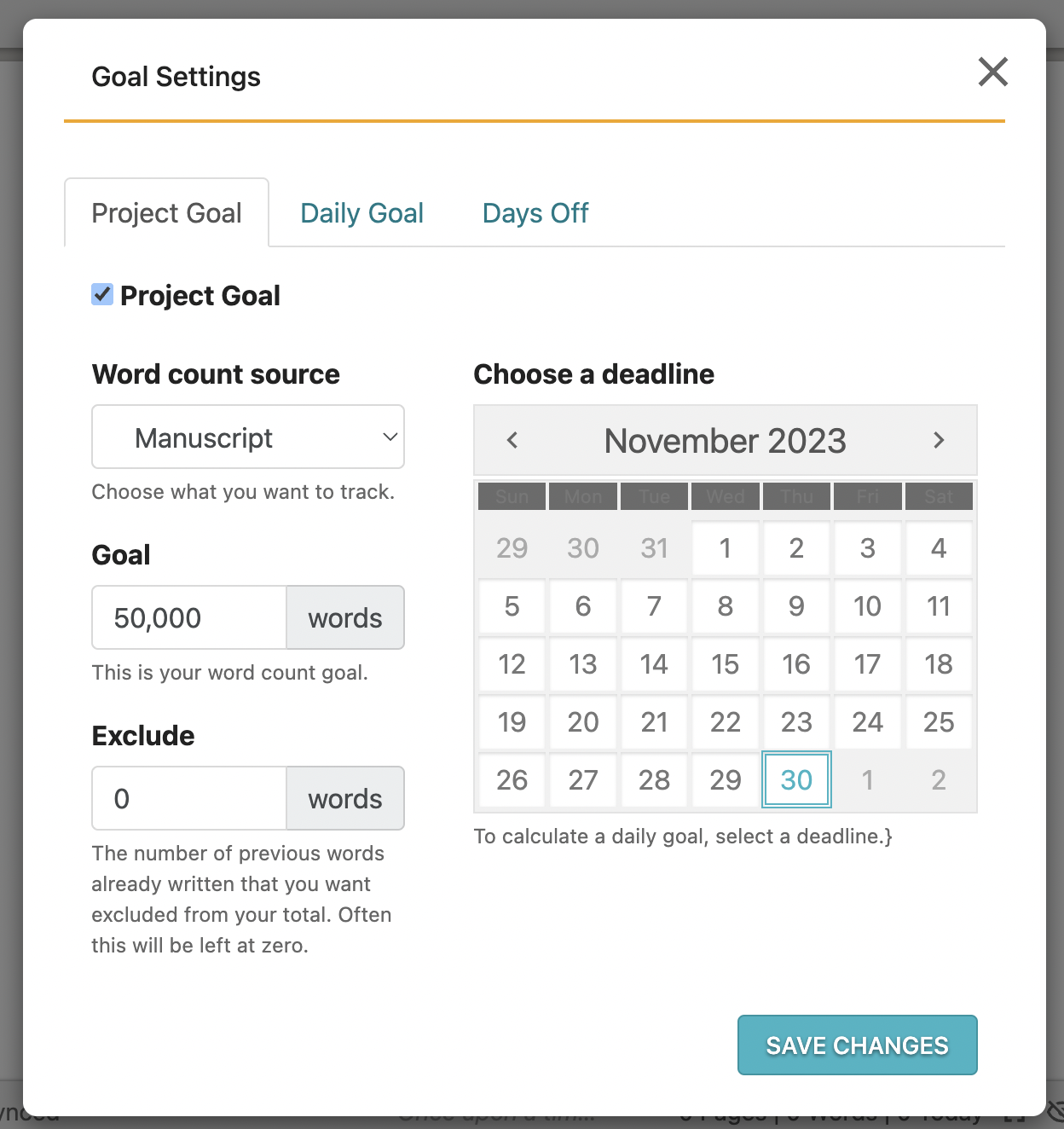
Use your weekly writing goal to determine how many words you need to get down in each writing session. If you write every day, divide your weekly goal by seven. So, if your weekly goal is 2,000, you know you need to write at least 286 words a day. No problem!
But if you can only write three times a week, then you need to divide 2,000 by three. That comes out to about 667 words each writing session.
Whatever your goals look like, acknowledge and celebrate your progress every time you meet an objective. By recognizing those milestones, you stay motivated and further convince your brain that you have what it takes to be a writer.
(Fun fact: Dabble not only helps you set and track goals as you write, but it also congratulates you when you meet your objective. Never fails to give me an extra jolt of motivation.)
Plan as Much as You Can
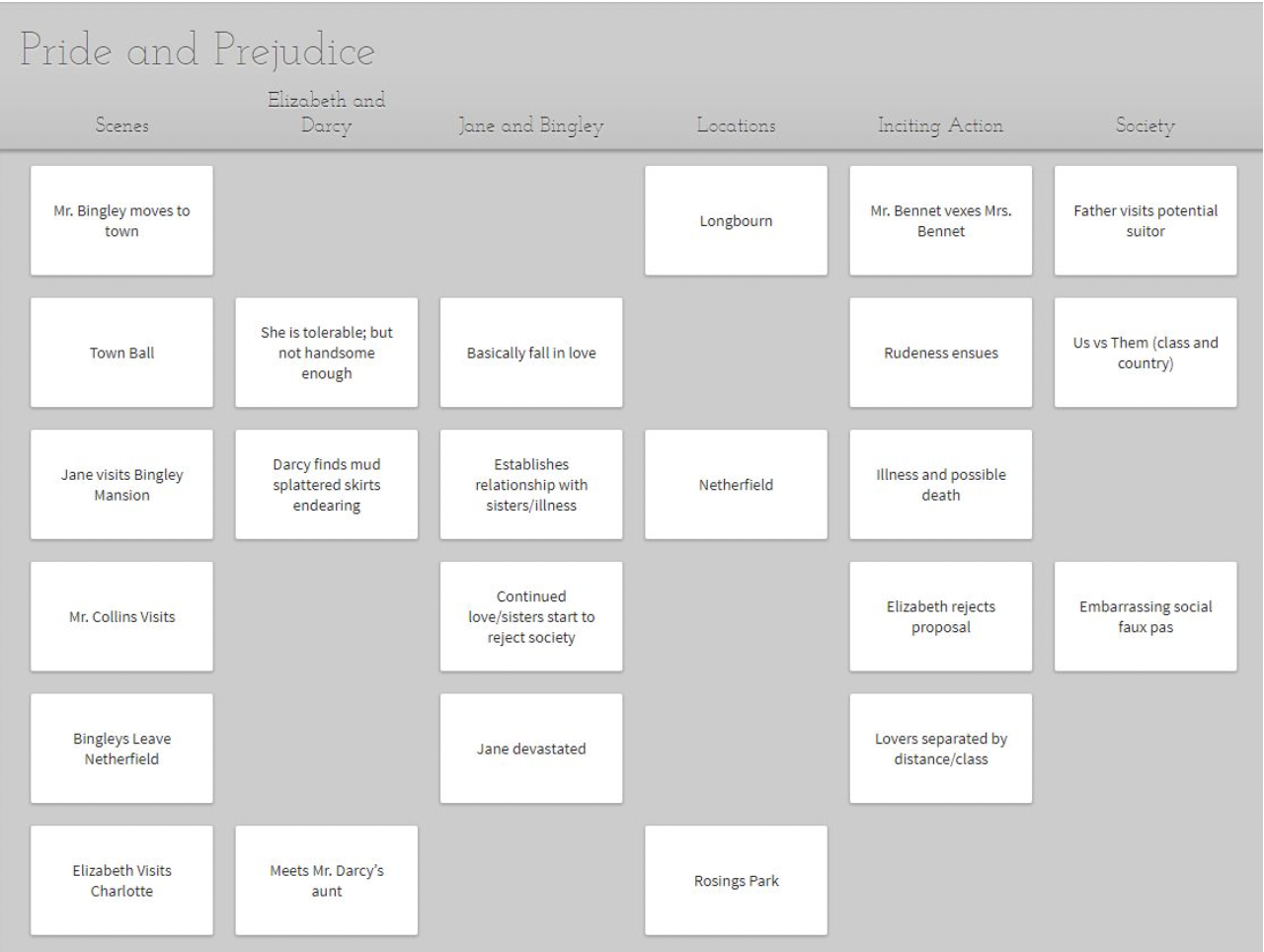
If you want to know how to start writing, you might be wondering if you need to plot your novel or outline your nonfiction book ahead of time. The answer is a very helpful “maybe.”
In the writing world, there are planners. These are the people who create extensive outlines, world maps, and character histories before they ever type “Once upon a time.”
Then there are pantsers, as in “fly by the seat of their pants.” Also called a “discovery writer,” this is the person who lets the story unfold during the writing process.
Many of us are plantsers, a hybrid creature that creates an outline fully expecting to abandon it somewhere in act two. You will find all three of these types on the bestseller list. There is no “right" amount of planning.
And yet, here I come with more advice:
First, do consider planning if you're working under any type of deadline like writing 50,000 words in November. Plenty of writers pants their way through a challenge like this, but your odds of getting all 50,000 words written are much higher if you eliminate the work of having to figure it out as you go. A good rule of thumb is to plan for at least one month, then spend the next month writing. (Incidentally, Dabble created a whole 60-day challenge to help you do exactly that. Dabblers and non-Dabblers welcome.)
Second, leave room to surprise yourself. Even a die-hard planner can benefit from scrapping the outline when they get stuck. Similarly, a wild and reckless pantser might find that a little plotting frees up creative energy that they can now funnel into details like building scene tension.
Don't Put Too Much Pressure on That First Draft
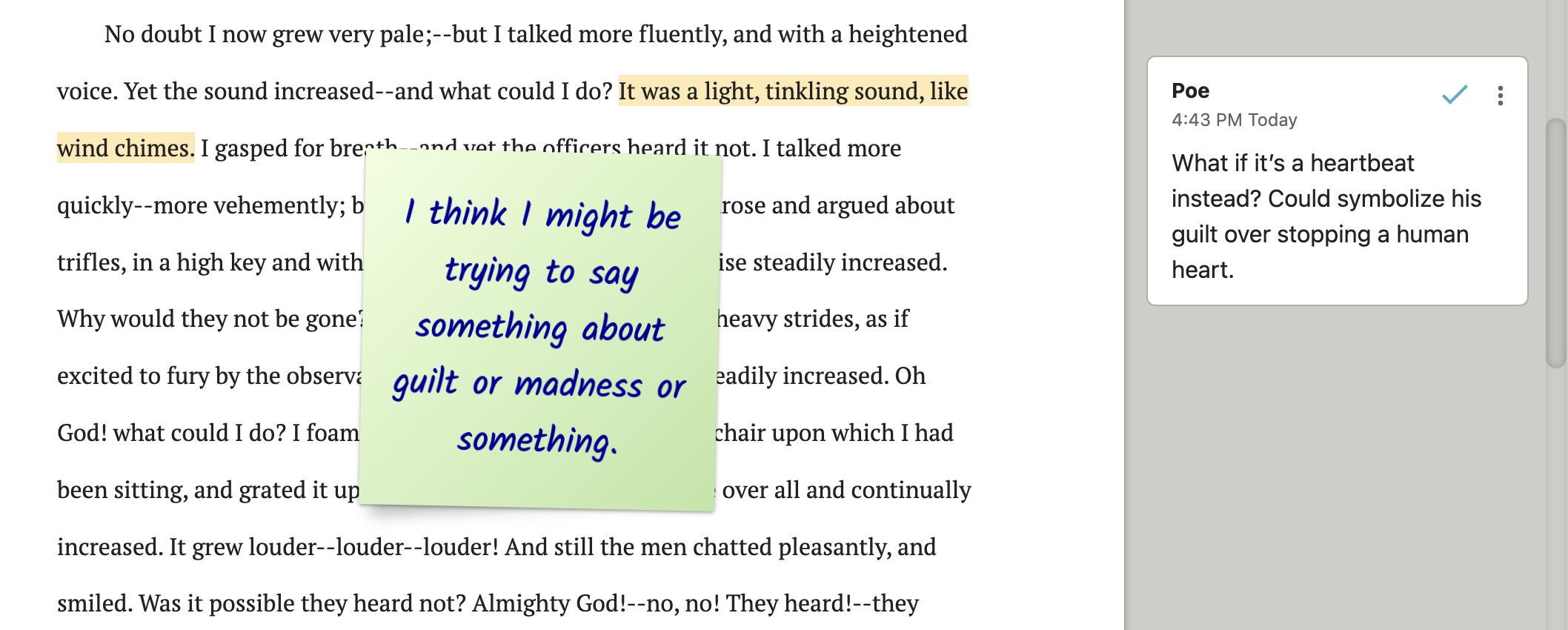
First drafts are supposed to be bad. So be ready for that.
In fact, there's a very good chance that the more experience you gain, the more disappointed you'll be in your first drafts, not because your writing skills are getting worse but because your standards are getting higher, and every first draft is just a writer rambling to themselves.
This is why a lot of new writers experience writer's block with their first novel. They're realizing for the first time how difficult it is to turn the masterpiece in their minds into actual words on the page. Suddenly, the plot seems a little thin. The characters are dull. The pacing is off. Then they start panicking that they can't do this after all, and their brain freezes up just to prove them right.
I can't guarantee that you'll be able to avoid this experience completely, but at the very least, you can pull back the intensity with a simple understanding that your first draft isn't supposed to be the masterpiece. It's just you getting out your clay and balling it into a big, warm clump so you have something to mold.
Reviewing & Rewriting
There is a lot to say about the process of revision, from checking your own work for proper punctuation to accepting feedback without retreating inside yourself like a despondent turtle.
But right now, we're focusing on how to start writing, and there are really only two things you need to know up front.
First, feedback is a good thing… whether it's your own feedback or you're taking advice from another writer. Writing is mostly _re_writing, after all. If you can approach this process with a curiosity about what it means to write well, you'll have fun shaping your story into something remarkable.
Second, there is no rule about revising on-the-go versus revising after you have a full draft written. I personally prefer to get the whole thing written, one wildly imperfect scene after the other, so I have a sense of how it all flows before I go back to revise. But if my brother/writing partner knows a scene is too long, that scene will haunt his dreams until he cuts it down.
Both approaches work. You do you. (Spoiler: You won’t know what that looks like until you’ve gone through the process and experimented a few times.)

Keep Reading and Reading and Reading
Good news! Now that you're a writer, reading books is mandatory. You're no longer indulging in a luxury, you're committing to your craft.
And if you're not already reading on a regular basis, it's time to build the habit. After all, if you want to be great, you have to know what greatness looks like.
Now, here's the catch. You can't read as a reader anymore, letting your mind drift into imaginary worlds as the story washes over you. You have to read like a writer now. This means actively noticing how the writer:
Embraces the tropes of the genre.
Uses character archetypes.
Selects specific details to create a sense of character.
Conveys emotion through concrete details.
…plus a whole bunch of other stuff.
Prioritize books in your chosen genre and be sure to squeeze in a few books on writing. Articles like the ones you find at Dabble also count.
Finally, read with a notebook close by so you can make a note of what you learn. I'm even going to get controversial and say you can dog-ear, highlight, and scribble notes in the margins.
Establish a Creative Routine
As you build your writing habits, you may find yourself staring at a blank page, thinking, “I still don't know how to start writing.” As in, you suddenly have no idea how to put words together to form a sentence that will mean something to someone else. Every writer knows that struggle.
The good news is, creativity is a muscle, and there are a million things you can do in your everyday life to work that muscle and get your writer brain super ripped. However, I am supposed to keep this guide under a million words, so here are just a few of the things you can do to spark creative thinking.
Keep a dream journal.
Keep a regular journal.
Keep a notebook on you at all times so sparks of inspiration don't get away. (Digital is fine.)
Try to describe a piece of fruit in the produce section without mentioning shape or color.
Read a poem every morning.
Visit an art museum.
Take a different route home and notice how your sensory experience changes.
Eavesdrop on conversations in public.
Imagine a backstory for the customer service rep who just put you on hold.
Challenge your mind to see new perspectives and ask new questions. It pays off big when you're sitting at your desk.
Get Your Crew Together
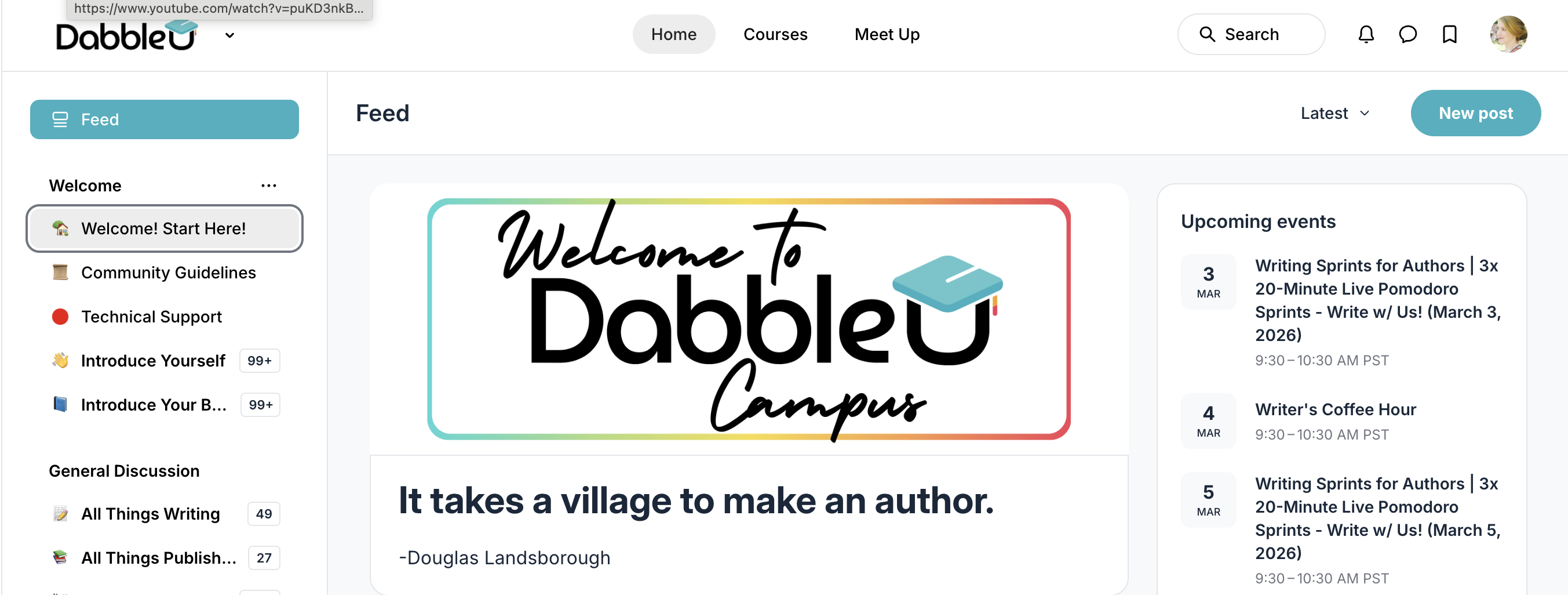
Hopefully, the people closest to you are supportive of your new writing venture. But you're also going to need the kind of support you can only get from other writers. Support like:
Mentorship.
Mutual accountability.
Constructive feedback rooted in knowledge of the craft.
Hot tips on writing tools, books, and industry news.
Advice and encouragement when you're 100% certain everything you write is vomit.
People who will make you stop whispering, “I kinda wanna try to be a writer,” and start declaring, “I'm a writer!”
So where do you find these people?
Join conversations and arrange meet-ups in DabbleU Campus.
Search Meetup.com for local writing groups or join online critique communities like Scribophile or Critique Circle.
Take a writing class.
Hit up writing-themed events and workshops. Or, if you're ready to go hardcore, check out a writing conference.
Join a Facebook group or Discord created for writers in your genre.
Finding your crew may take some time. But trust me: When you chase what you love, it leads you to the right people.
Make Your Process Your Own
Not all writing advice will work for you. My hope is that many of these suggestions will serve you well, but there will probably be a tip or two that fails you.
It's something I'm wrestling with even as I type this. Consistent writing hours, specific objectives, and month-long challenges used to be my jam. Now I have a chronic condition that makes it hard to predict how much energy I'll have day to day. My beloved deadlines and word count goals changed from a reliable source of motivation to an unnecessary reminder that I was "failing," as each missed day bumped that daily goal to impossible heights.
Now I'm reshaping my routine to fit the person I am now. I'll probably become a "no zero days" gal, meaning I'll set an intention to write every day, even if it's just a sentence. It's forward motion with low pressure and the opportunity to enjoy writing again instead of experiencing it as an impossible struggle between my physical needs and the shame of abandoning my goals.
All this to say, you do you. There are many different ways to start writing, and many ways to get where you want to be as a writer. Which is why the absolute best advice anyone can give you is this:
Just Sit Down and Begin Writing
There is only one thing you absolutely have to do to get started writing, and that is to start typing. Or start scribbling. Whatever your deal is.
Just start writing and keep writing.
This guide hopefully demystified some of the process. I hope it helps you ground yourself in good habits and smart strategies.
But you can get started writing without putting any of this into practice.
Whether you're a tortured artist, a business consultant with advice to give, or just want to record the bedtime stories your grandma used to tell, you are on this journey for the same reason everyone else is: Your words have the power to connect human beings… to you, to one another, and even to themselves.
Writing is how we reach out to total strangers and say, “This is what being alive in the world feels like for me. What about you?"
The advice in this article will hopefully help you become a stronger writer and find more ease with the process. But don't let the story inside you lie dormant while you obsess over how to start writing “the right way.”
First, start writing. Then find what works.
Need a little extra support as you get started writing your first book or story? Dabble Writer is a huge help, with features to guide you through plotting, character development, and more. You can even try it for free for 14 days. Just click this link to get started—no credit card required!