
85+ Character Mannerisms and Why They Make Your Story Better


Constantly adjusting glasses. Speaking loudly when nervous. Sleeping with one leg outside the blankets.
The smallest character mannerisms may seem too unimportant to mention in your story (and sometimes you’d be right), but chosen carefully, those little idiosyncrasies can do a lot to communicate who your character is, what they want, what they’ve been through, and how they’re feeling.
In fact, when you identify your characters’ habitual behaviors, you open up a whole new palette to help you paint vivid scenes.
Your readers begin to recognize when your protagonist is afraid. They see your sidekick’s background reflected in their speech. They’re even able to recognize the imbalance of power between two characters without you ever having to explain it in narration.
Above all, mannerisms give your characters life. They transform a fictional person from a collection of physical qualities and personality traits to a being who feels as real to your readers as their own family members.
So let’s learn how to master this little corner of your storytelling toolbox. We’ll talk about the role mannerisms play in your story, how to come up with different habits to fulfill a range of goals, and what errors to avoid.
You’ll even get a ton of examples to inspire you as you create the characters who populate your fictional world.
What are Character Mannerisms?

A character mannerism is a habitual gesture, behavior, or speech pattern that a specific individual does on a regular basis. It’s something a character does without thinking about it, and in some cases, they might not even be aware they do it.
Sometimes writers confuse mannerisms with quirks. The difference is that a mannerism is something someone does, while a quirk is a unique quality they possess.
Twisting your hair around your finger when you’re thinking is a mannerism. Having a hairstyle that deliberately mimics Elton John’s is a quirk.
A mannerism also shouldn’t be confused with a ritual. A ritual is a deliberate process one practices regularly, and, as we know, a mannerism is something one does without thinking.
Walking to the corner for a cup of coffee every morning is a ritual. Avoiding eye contact with the barista because they’re too cute to handle is a mannerism.
How Mannerisms Help Your Story

Your readers don’t need to see every mannerism your characters possess. Start paying closer attention to your own habits and those of your family members, and you’ll notice that we each have approximately one billion weird little tendencies.
When it comes to your characters, you only want to show your readers the mannerisms that communicate something relevant and essential.
And to determine which mannerisms are relevant and essential, it helps to start by understanding how including these idiosyncrasies can make your story better. The major benefits include:
More engaging characters. Mannerisms help round out your characters and make them feel real, largely because you’re essentially using…
“Show, don’t tell” strategies. “Show, don’t tell” is a popular writing tip that encourages immersing the reader in action and images instead of wordy prose that just explains what’s happening.
A mannerisms is a great device for showing who a character is and how they feel, so you don’t have to spell it out for your audience.
Consistent character development. These little habits help you reinforce details like personality, attitude, and backstory. Whether it’s that their body language reflects their social status or their gestures reveal their personality, the right mannerisms can help solidify a character’s true nature in your reader’s mind.
Using Mannerisms to Show, Not Tell

Okay, we should back up and discuss this “show, don’t tell” thing in a little more detail, because it’s pretty important.
Showing is when you allow a reader to experience a moment by recreating it on the page. Telling is when you essentially report on what happens.
Showing: “The egg slipped from her fingers and splattered on the floor, leaving a clear, viscous streak across the toe of her silk slipper.”
Telling: “She dropped the egg. It made a mess and ruined one of her slippers.”
The “show, don’t tell” principle is especially impactful when you apply it to things that aren’t concrete—things like emotions, attitudes, goals, and personality.
How do you show that a character is arrogant or afraid or trying to manipulate someone?
Mannerisms! And a bunch of other things. But today, we’re talking about mannerisms.
To show that a character is nervous, you might have them rapidly tapping their finger on an armrest as they wait to be called in for an interview. Or you could indicate shyness by having a character duck their head when they pass coworkers in the hallway.
You can also combine a specific behavior with dialogue to clarify meaning and communicate subtext.
If someone leans forward and holds your hand to say, “You’ll get through it,” you’d probably interpret this as support. But if they said it as they waved their hand as swatting your worries away, you’d likely feel dismissed.
In all of these examples, painting a picture of the mannerism creates a much more emotional experience for the reader than simply saying, “She was nervous about the interview” or “He shrugged off my fears.”
Types of Mannerisms
Character mannerisms come in many different forms, and those forms tend to fit into two major categories: physical mannerisms and vocal mannerisms.
But one thing all mannerisms have in common is that they’re observable.
Let’s explore all the habitual tendencies one might observe in your characters.
Physical Mannerisms

Physical mannerisms include anything your character does with their body without thinking about it.
Gestures fall under this category. We tend to adopt specific gestures that become our go-tos for communicating certain things.
We might give a thumbs down when a friend tells a bad joke. Maybe we lazily shrug one shoulder when we don’t know what the answer is and don’t particularly care. Hopefully, we don’t snap to get a server’s attention, but if we did, that would count, too.
Posture also counts as a physical mannerism. Does your character tend to enter a room with their chest out and arms swinging? Or do they nervously scuttle in, knees a little bent, shoulders a little hunched, so as not to draw attention or get in someone’s way?
Facial expressions fall under this category, too. Maybe a character tends to frown and narrow their eyes when their spouse tells a dumb joke. That’s a physical mannerism
Then there are repeated behaviors. Again, we’re not talking about deliberate actions, but unconscious habits. Fiddling with earrings. Pushing up glasses. Clicking a pen. Stuff like that.
Examples of Physical Mannerisms
- Chewing fingernails (generally one’s own)
- Tilting their head
- Cracking their knuckles when thinking
- Pacing
- Squinting when trying to remember something
- Fidgeting with jewelry or clothes
- Humming softly without realizing it
- Crossing and uncrossing arms
- Leaning in too close when interested
- Flinching at sudden movements or loud sounds
- Scratching an arm to self-soothe
- Smiling at inappropriate moments
- Twirling hair
- Walking with hands clasped behind their back
- Wiping their palms on their clothes
Vocal Mannerisms
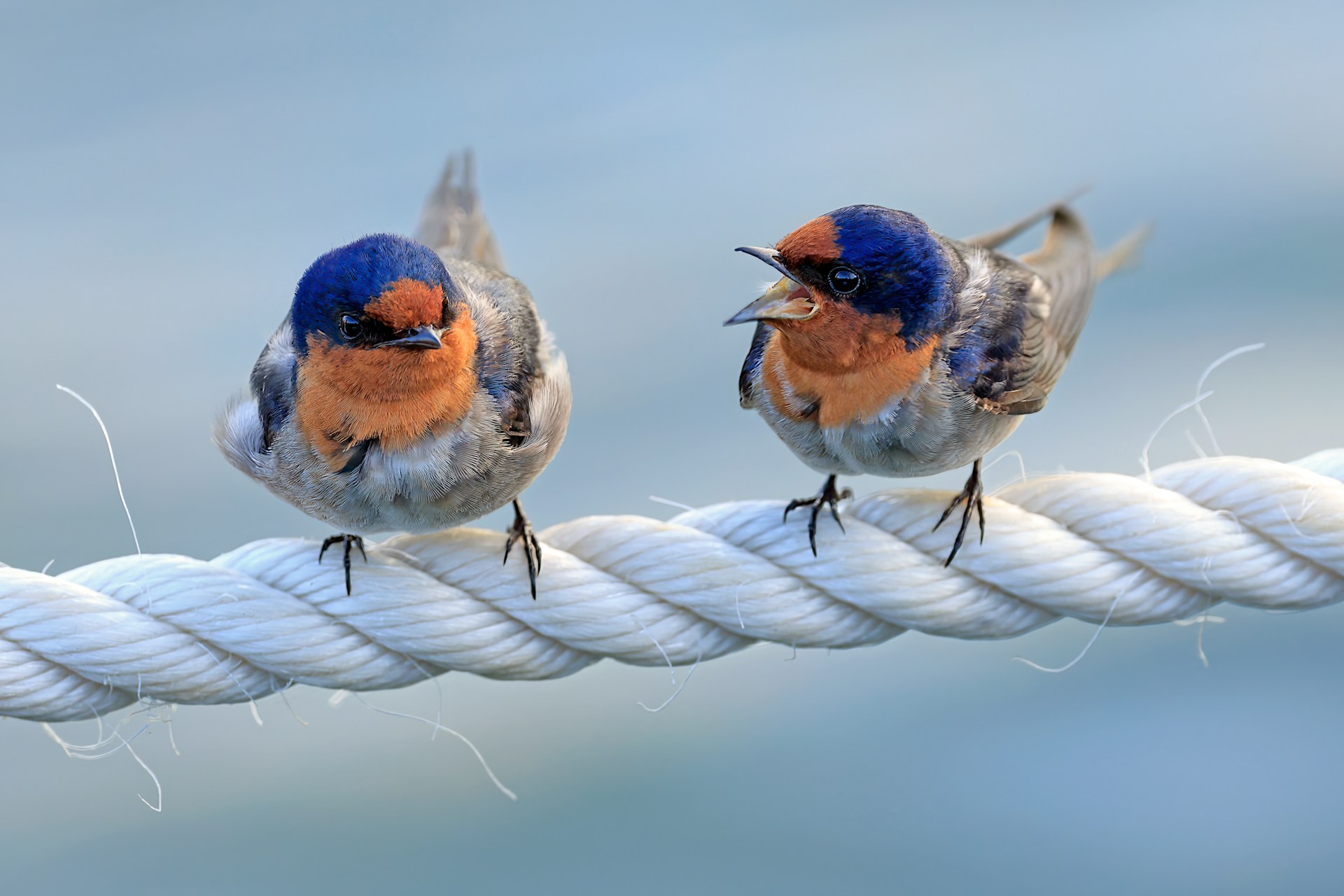
Vocal mannerisms include the unique vocalizations and speech patterns that are typical of an individual.
This can include tone of voice, like if someone speaks in whisper when they get really excited or high-pitched and squealy when they see an old friend.
It can also include the rhythm of their speech, especially the way that rhythm changes under certain circumstances. Maybe they speak faster when they’re angry. Or maybe it’s the opposite. Maybe they’re careful to control their temper, so they speak slower with lots of terrifying pauses.
Then there are the actual words they say. Is there a phrase they repeat a lot? Do they speak in a specific dialect? Do they use a fancier vocabulary to sound more impressive?
You might consider filler words when you’re thinking about vocal mannerisms, too. Those are the nonsense we use to fill the space when we’re finding our next thought or softening our message, stuff like “uh,” “um,” “like,” and “you know.”
It’s important not to overdo the filler words. If your characters used them as much as people do in real life, readers would get sick of reading your dialogue by page three. But tossing a few in strategically can communicate that a character is uncomfortable, unsure, or talking faster than their brain thinks.
Examples of Vocal Mannerisms
- Frequent throat clearing
- Always speaking in a low, quiet voice
- Uptalk
- Pausing often to search for the right word
- Drawing out certain words (“soooo” “okaaaay”)
- Dropping their voice to a whisper for emphasis
- Clicking their tongue in disapproval
- Saying things twice (“That’s okay. That’s okay.”)
- Ending statements with a nervous laugh
- Frequent sighing
- Using a catchphrase repeatedly
- Frequently interrupting themselves
- Trailing off at the end of sentences
What Mannerisms Communicate

As we discussed, all these different mannerisms have the potential to show your reader something… to bring more meaning into the moment by making the invisible visible.
And what are these invisible things you’re revealing with your characters’ little habits?
Could be all kinds of things. For example:
Personality
A mannerism can provide a glimpse at who your character is.
For example, a hyperorganized perfectionist might stand with perfect posture, walk in a smooth and steady rhythm, and absent-mindedly adjust any errors they notice upon entering a room—straighten a tilted lamp shade or wipe a smudge off a cabinet.
Mannerisms That Convey Personality
- Interrupting without realizing it (enthusiastic or socially unaware)
- Laughing at their own jokes (confident or insecure, could go either way)
- Over-apologizing (insecure, empathetic, or people-pleasing)
- Holding eye contact too long (intense or dominant)
- Smiling politely even when annoyed (restrained or diplomatic)
- Leaning back and smiling during conflict (confident, dismissive, or manipulative)
- Filling silences immediately (anxious)
- Absent-minded tidying (perfectionist or self-conscious)
Emotions

You can also use a mannerism to hint at how your characters are feeling.
Someone who’s anxious might constantly adjust their clothing and accessories. Someone who’s sad might slump their shoulders and speak more slowly than usual.
To make emotional mannerisms really effective, factor in the character’s personality and background. The question isn’t just “How does someone act when they feel sad?” It’s “How does Dale act when he feels sad?”
Does he lay on the couch and stare at the wall? Start barking at people for no reason? Laugh a little too loud to mask his pain?
His personality, culture, and upbringing will help you find the habit that fits.
Mannerisms That Convey Emotion
- Smoothing their clothing when anxious
- Exhaling sharply through the nose when annoyed
- Clenching their jaw when angry
- Mumbling when uncomfortable
- Dropping their voice suddenly when they’re afraid
- Sagging their shoulders when they’re exhausted or defeated
- Blinking rapidly when they’re overwhelmed and trying not to cry
- Rubbing their arm to self-soothe when they’re afraid or feeling cornered
- Running their fingers through their own hair when they’re attracted to someone
- Exhaling slowly when they’re relaxed or content
- Speaking quickly when they’re excited
Status
It could be social status, economic status, or professional status. It doesn’t matter. In any environment, we know how we rank among those around us, and that knowledge seeps into the way we carry ourselves, from our posture to our facial expressions.
If you want to demonstrate that a character holds a lot of authority, you might write about how they enter the office with their shoulders back and don’t stop walking when they ask their assistant a question, confident that their assistant will follow.
If you want to show that a character ranks lower in an exchange, you might write some sirs or ma’ams into their dialogue.
Once again, you’ll want to keep their personality and background in mind when you decide exactly how to communicate their status through their behavior.
Mannerisms That Convey Status
- Speaking slowly and pausing often (higher status)
- Listening without nodding or reacting, letting others fill silence (higher status)
- Acknowledging people with slight gestures (higher status)
- Using honorifics to address the other (lower status)
- Keeping their gaze low (lower status)
- Keeping their body compact to avoid taking up too much space (lower status)
Background

There are a lot of ways to reflect a character’s background in their mannerisms.
There might be habits they’ve picked up from their culture or upbringing, like offering a gift with both hands to show respect or making the sign of the cross in times of crisis.
They might have inherited mannerisms. I tend to mutter a playfully scolding, “Abigail!” under my breath when I make a weird mistake. I did this for years before realizing my father and his mother did the exact same thing, muttering their own names in self-admonishment.
You can also use your character’s mannerisms to reflect past experiences. If they survived a terrifying break-in, they might check the lock every time they walk by the door.
Even hobbies and jobs can show up in character mannerisms. Ages ago, I worked in a casino, sitting at blackjack tables and guarding the chips that were used to pay winners. (Weird job—not a dealer, more like a professional loophole.)
Every time I set down chips, I had to rotate my hands open to show the overhead cameras I wasn’t palming anything. I probably made this gesture a thousand times a night, and it became something I did by accident whenever I handed a cashier money or handled anything small in shops.
It was an unusual mannerism that betrayed the amount of time I spent in an environment shaped by temptation and distrust.
Mannerisms That Reflect Background
- Calling service workers by name because they’ve been there
- Humming a favorite childhood song when they’re in a good mood
- Never turning their back to a door because combat experience taught them to think defensively
- Addressing their children with an endearment in their native language
- Always responding to praise by passing the glory along to their god
- Touching an inherited or symbolic piece of jewelry when overwhelmed or happy
- Code switching
- Addressing elders by their formal titles and never by first name
- Flinching at raised voices due to growing up in a volatile household
Relationship
Those little behaviors can give big hints about the relationship between two characters.
When people are in sync, they often mirror each other in their body language and speech. When they’re in conflict, you might see contrasting mannerisms.
And each individual character has their own way of unconsciously communicating the way they feel about someone. Maybe they avoid eye contact when it’s someone they love, or perhaps they do the opposite and try to lock eyes. Maybe they get nervous and clam up in the presence of their boss, or maybe they talk louder and gesture excessively.
Mannerisms That Reflect Relationship
- Repeating others to show emphatic agreement (“That’s so offensive.” “It’s so offensive!”)
- Answering for someone else who’s standing right there, demonstrating either disregard, manipulation, or intimacy
- Using private shorthand or inside references
- Avoiding eye contact, suggesting tension or unresolved conflict
- Positioning their body toward the other even if others are there, indicating that the person is a priority
- Sharing glances in unspoken understanding
- Speaking to someone in a softer tone than normal, suggesting affection or compassion
- Sitting with crossed arms, indicating guardedness or resentment
Objective

What does your character want in a scene? Their behavior can help you convey it.
A toddler who doesn’t want to leave the park might walk super slow, dragging their feet and claiming they’re going as fast as they can. (Toddlers and my dog have that in common.)
Someone who wants to charm a coworker into picking up their shift might smile big and lean in, speaking in a slow, buttery voice.
Mannerisms That Convey an Objective
- Mirroring body language to make the other feel understood
- Leaning in when a specific topic arises
- Positioning themselves between people to control access or maintain peace
- Touching an object tied to the goal
- Staying physically closer than normal as if prepared to prevent the other person from doing something
- Positioning their body to face an exit or target
- Stealing glances at their watch if the goal is time-sensitive
- Rephrasing another’s words inaccurately to deliberately sway an argument their own way
Subtext
The right mannerism can clarify the subtext of dialogue. Subtext is the deeper meaning that isn’t said out loud. People tend to avoid saying exactly what they mean, so if you want to write natural-sounding dialogue, you’ve got to learn how to convey subtext.
A mannerism is one of your best tools for doing this. How does your character’s behavior betray their true thoughts and feelings?
For example, instead of writing:
“I’m terrified you’re about to break up with me.”
You might write:
Lucille clasped her hands tightly in her lap to hide the trembling. “You wanted to talk about us?”
Mannerisms That Clarify Subtext
- Pausing before agreeing, suggesting internal resistance
- Using an overly formal tone in an intimate context, indicating emotional distance
- Maintaining eye contact too long, indicating an unspoken challenge or threat
- Claiming to be calm but speaking faster
- Sighing before responding, making it clear that they feel burdened by the conversation
- Leaning back while expressing interest, suggesting guarded curiosity
- Softening their voice when delivering harsh words because they need to be honest but don’t want to be hurtful
- Being extremely still in a challenging conversation, indicating restrained anger
Avoiding Common Pitfalls When Creating Mannerisms

For all the good they can do for your manuscript, it is possible for character mannerisms to hurt the quality of your storytelling. Be sure to look out for these common pitfalls:
Stereotypes
In addition to potentially being offensive, stereotypes are so very, very boring.
Reflecting a character’s identity in their mannerisms is great. But that means factoring in the whole of their identity. Not just a cultural identity, but also their personality, history, current emotional state, and specific influences.
When you decide how a character would behave when they’re scared or impatient or haggling with a street vendor, think about the mannerisms they’d use as the unique individual they are.
Clichés
Much like stereotypes, clichés are dull, overdone, and often unrealistic.
I’m pretty sure real-life villains don’t rub their hands together in anticipation of their evil plans. I’ve done some flirting in my day, but I’ve never once batted my eyelids. And people don’t bite their bottom lip nearly as often as books would have us believe.
Inconsistency
Remember, a mannerism can tell us a lot about who a character is. That means their mannerisms need to fit their identity and remain consistent throughout the story.
That’s not to say behavior can’t evolve with the character. Someone who gets loud and boastful when they’re insecure might kick the habit as part of their arc. That’s great. The important thing is that every mannerism makes sense for who your character is and where they are in their journey.
Neglecting Cultural Context
On the flipside of stereotyping, there’s the risk of neglecting a character’s background altogether.
Some gestures are more common or more offensive in one culture than they are in another. A character might have been raised to behave a certain way towards elders, authority figures, or underlings, and that will likely inform their mannerisms in those interactions. Your character might use phrases or a dialect specific to their cultural background.
Again, it’s about factoring in all parts of the person, not assigning mannerisms based on a single attribute.
Overusing Mannerisms
Think about what it means to write a good physical description. Your readers don’t need every detail, right? If you describe your character’s entire outfit, the texture of their hair, the placement of every mole, the shade of their eyeshadow, and their exact measurements, your reader will get bored.
All they really need to know about is the purple asymmetrical bob, the large gold hoops, and the black jumpsuit. They’ll fill in the rest themselves.
The same goes for mannerisms. Only show what’s vivid, relevant, and helpful. That will usually be something that clarifies who your character is, how they’re feeling, or what they want.
Ready to Take This Concept to the Next Level?

Character mannerisms are a great way to show your readers who your characters are instead of just telling them, but they’re not the only way.
To get really good at writing characters that come to life on the page, check out the Show, Don’t Tell course offered through the DabbleU Academy. Over 25 lessons, you’ll learn how to immerse your readers into the world of your novel and give them a story they’ll never forget.
Not an Academy member? No problem! Click here for a free 14 day trial of Dabble’s Premium subscription. That gets you complete access to the Dabble writing tool, plus all the courses, workshops, and community discussions included in the DabbleU Academy.
There’s no credit card required, so you’ve got nothing to lose and a lot of great insight to gain.
SHARE THIS:


TAKE A BREAK FROM WRITING...
Read. Learn. Create.

What's the difference between direct and indirect characterization? And is one better than the other? Here are the answers you've been looking for.
Always wanted to know the secret to telling a good story? This guide lays it all out for you.

Discover the best writing tools for everything from brainstorming and organizing to drafting, revising, and managing your time.