
Single Quotes: Why They Exist and When to Use ‘Em

You learned how to use quotation marks ages ago. The way your teacher laid it out, it was all so simple, so clear.
Quotation marks are the little twin apostrophes that you place on either side of a line of dialogue to indicate that you’re quoting someone. You also use them when referencing a short work like a song or an article.
Easy. Done. You totally got it.
Then one day, you open a book and see some kind of madness like this:
‘Lola, wait!’ she shrieked.
Or this:
“Please don’t play ‘Danger Zone’ right now,” he said. “That was our song.”
Or even this:
Minerva was stunned. ‘Single’ quotation marks? What purpose could there be for such a thing?
Allow me to assure both you and Minerva that single quotes are real, necessary, and actually relatively uncomplicated. Once someone takes the time to explain them to you—as I’m about to—you’ll have no trouble knowing when and how to use them.
I hope you’re stoked for a full breakdown of sentence eyebrows, because it’s starting now.
When Do You Use Quotation Marks?
The first thing you need to understand is that both single and double quotation marks serve the same basic purposes. Don’t let that fact panic you. You’ll still be able to determine which ones to use when by the time we’re done here.
But first, we need to get on the same page about how quotation marks function in general.
Here’s what they’re for:
Direct Quotes
You use quotation marks to indicate that you’re quoting someone or something. So if you write fiction, you’d use quotation marks any time a character speaks. For example:
“I love Duluth in the fall,” Sandra said.
You use them when you’re quoting something that’s in writing, too.
On the sign were the words “Don’t stalk the pigeons.”
You also use quotes to clarify when you’re quoting directly versus summarizing. For example:
Burt said you could borrow his lawnmower as long as he can “yoink that table saw for a few days.”
The part of the sentence that’s not in quotes would be a summary of Burt’s words, while the quotes indicate what he said verbatim.
Referencing a Word or Phrase
If you reference a word or phrase rather than actually using it for its meaning, you’d put that word inside quotes. Here’s an example:
Please spell “conundrum.”
That sentence isn’t telling you there is a conundrum; it only mentions the word “conundrum.”
Here’s another example.
I confused the word “scallions” with the word “shallots.”
I like that example because I’ve done it three times, and who doesn’t love a relatable narrator?
Indicating Sarcasm or Euphemisms
I almost didn’t even mention this one, because this usage is often misunderstood. But you deserve to know about all the tools at your disposal. Just know that it’s really easy to make a distracting mistake in this area, so proceed with caution.
Quotation marks can be used to indicate that you’ve substituted a word or phrase with a euphemism, like this:
Sorry for my bad mood. I’m in the middle of a pretty massive “personal development opportunity.”
Thanks to the quotation marks, it’s fairly clear that the speaker is referring to a personal challenge. Without the quotes, we might think they’ve hired a new life coach or something.
Quotes can help indicate sarcasm, too. For example:
So great to see you thriving in this exciting new “management position.”
You instantly know “management position” can’t be a good thing, right? Not when it’s in quotes. Most likely, the speaker is sarcastically celebrating (or rather, “celebrating”) another character for a minor accomplishment they oversold as something far more impressive.
Now, it’s important to note that you don’t always have to include quotes to indicate euphemisms and sarcasm. You only need quotation marks when your reader is likely to be confused without them.
For example, this is unnecessary:
My beloved frog “passed away.”
Everyone knows “passed away” is a euphemism for death. If you put every euphemism and sarcastic phrase in quotes, your writing will start to feel clunky, cluttered, and explainy. Plus, this use of quotation marks counts as telling (versus showing), as it essentially tells the reader what the character means rather than demonstrating it through context and body language.
So use your best judgment, and when in doubt, skip the quotation marks.
Indicating the Title of a Short Work
Traditionally, you’d use quotation marks to indicate the title of a short work and italics to indicate the title of a long work.
My favorite short story is “The Lottery,” my favorite poem is “Wild Geese,” and my favorite song is “You Can Call Me Al.”
My favorite novel is Beloved, my favorite epic poem is The Odyssey, and my favorite album is Billy Joel’s The Stranger.
I cannot promise you will never see the title of a short work in italics and the title of a long work in quotes. While the rules I just outlined for you are fairly common, some style guides tackle titles differently.
If you’re writing something that is expected to align with a specific style guide, do your own research to make sure you’re handling titles correctly.
British English Only: Emphasizing a Word
In British English, quotation marks may be used to emphasize a specific word, like this:
Call the doctor? I ‘am’ the doctor.
Do not do this if you’re writing American English. In American English, we use italics for emphasis.
I am the doctor.
This brings me to topic that’s about to play a big role in this article:
Why the Specific English Language Matters When Using Quotes

Regional style guides vary in many ways, including the rules of punctuation. Just as British English likes a little “u” with their “humour” and American English doesn’t, these two styles vary somewhat in their use of quotation marks.
It’s not too difficult to understand the difference, though. Aside from the emphasis thing we just talked about, the purposes of quotation marks are the same in both English languages. The other differences are simple and easy to learn. We’ll discuss them in a bit.
Of course, British and American are not the only varieties of English out there. Canadian English, for example, shares grammar and punctuation rules with both British and American English. When it comes to quotation marks, however, it sides with American rules.
In this article, we’re just going to focus on what the Americans and Brits are doing, but if you plan to write and publish in a different English-reading country, make sure to research the standards of your region.
When Should You Use Double Quotation Marks in American English?
In order to understand single quotes, we have to understand double quotes, for reasons you’ll see in a minute.
Fortunately, double quotation marks are very easy to explain.
In American English, you use double quotes for every single usage we’ve discussed so far except that British-specific emphasis.
Direct quotes, referencing a word or phrase, indicating sarcasm or euphemisms, indicating the title of a short work… all of it.
When Should You Use Single Quotation Marks in American English?
Kinda seems like there’s nothing left, right? All the roles that a set of ambitious single quotes could hope to play have already been filled by double quotes.
Or so it seems.
There are two instances when single quotation marks get their chance to shine in American English.
Quoting Within Dialogue
Single quotes can serve all the same purposes as double quotes, but only when they’re inside a quotation.
For example, if you’re writing American English and a character quotes another person, you’d punctuate it like this:
“He got down on one knee,” Charlotte said, “but just asked, ‘Mind if I get a couple lunges in real quick?’”
The single quotations indicate that the lunger is being directly quoted by Charlotte who is being directly quoted by the narrator. They’re nesting quotes, basically, and the change from double to single quotes helps us recognize that one quote is nestled inside the other. If we used double quotes for everything, we’d get confused about where each quote ended and began. I mean, just look at this mess:
“He got down on one knee,” Charlotte said, “but just asked, “Mind if I get a couple lunges in real quick?””
Blech.
This rule applies to all uses of quotation marks.
“You should sign the letter, ‘yours truly,’” she said. “It’s more intimate.”
“He wants to talk. Apparently, he has ‘feedback’ for me.”
“You need to learn the words to ‘Bohemian Rhapsody,’” he said. “We sing it at every cast party.”
And suppose you have a quote inside a quote inside a quote? What then?
Then you do double quotes inside single quotes inside double quotes.
Ella declared, “We’re best friends now! She said, ‘I know you understand me because you have the lyrics to “Imagine” tattooed on your arm.’”
Headlines
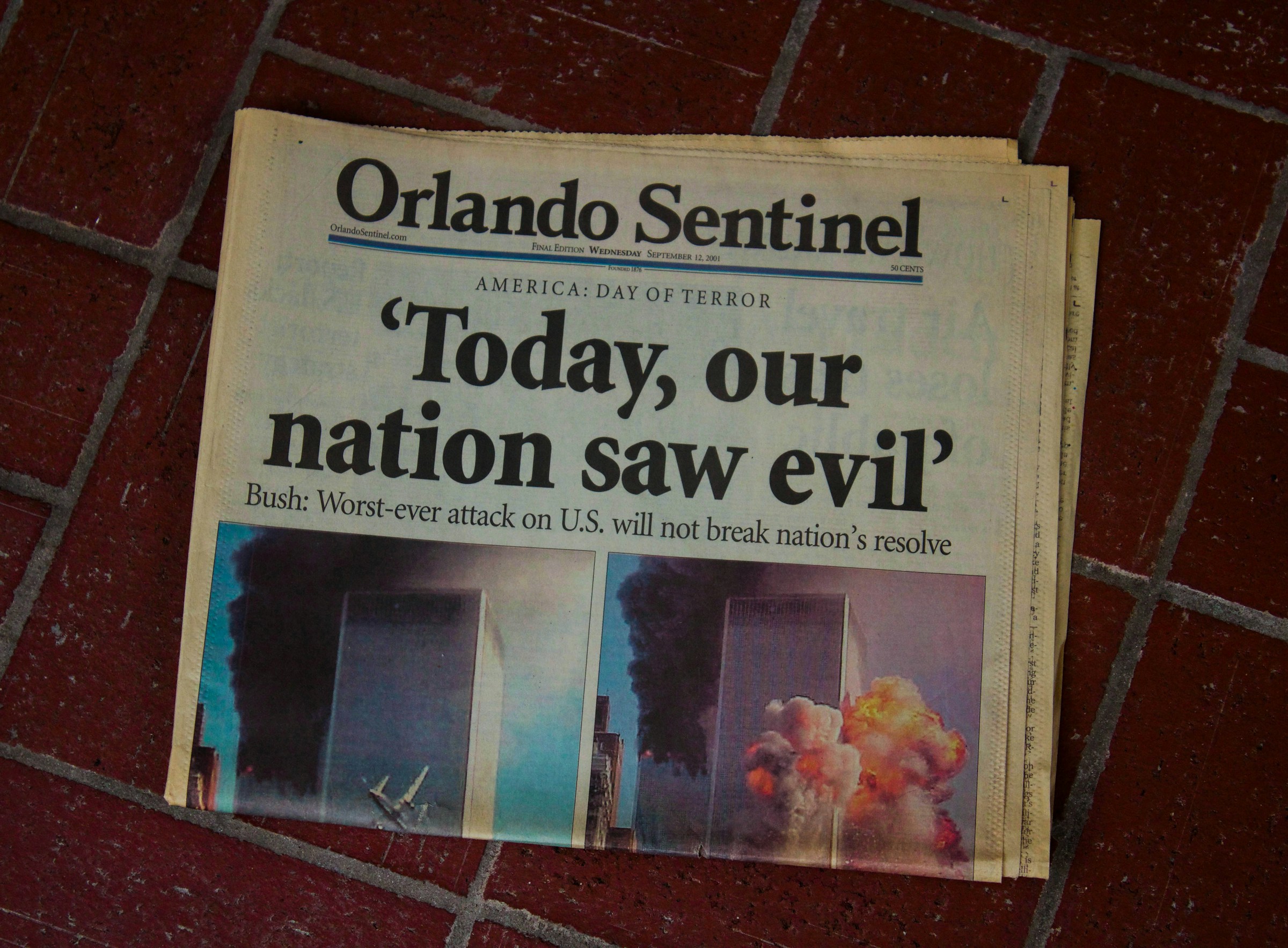
There’s one other instance in American English where you might see a writer choose single quotes over double quotes, and that’s within a headline.
Now, this isn’t a hard-and-fast rule. You’ll see both single and double quotes in this context. But some style guides, like the AP Style Guide, opt for single quotation marks, like this:
Man Who Grew World’s Biggest Turnip ‘Just Wanted to Make Nana Proud’
In journalism, the choice to embrace single quotes over double quotes simply comes down to saving space.
How Do Double and Single Quotation Marks Work in British English?
Now that you know how quotation marks work in American English, I can explain the British standard much quicker.
It’s Almost Always the Opposite
As a general rule, if you’d use double quotation marks in American English, you’d use single quotation marks in British English.
In other words, you’d use single quotes unless it’s a quote inside a quote. Then you opt for double.
‘You got flowers from a secret admirer!’ she said. ‘The note is signed, “Someone who adores you.”’
The Exceptions
There are times when it doesn’t work to just do the opposite of what you’d do in American English.
For example, if you’d use single quotes in an American headline, you’d still use single quotes in a British one.
Then there’s the thing about using quotation marks for emphasis in British English, while American English doesn’t use quotes for that purpose at all.
It should also be noted that some British publishing houses have embraced the American use of quotation marks. Rather than abiding by regional style guides, they follow a style specific to the publishing house.
But generally speaking, if Americans would use double quotes, the British would use single, and vice versa.
How to Punctuate Quotes
You didn’t come here for a complete punctuation lesson, but I’m giving you a quick one, anyway. Let’s talk about where your quotation marks land in the line-up of commas, exclamation points, and everything else.
Dialogue Basics
In dialogue, the quotation marks go around everything the speaker said and only what they said.
“Wow!” he said. “That’s a lot of potato salad!”
As you can see in the example above, all punctuation that’s part of the quote also goes inside the quotation marks.
Now, the phrase that indicates who’s speaking (“he said” in the example above) is called a dialogue tag. When the dialogue tag comes before a line of dialogue, it ends with a comma that is not enclosed in quotes, like this:
She said, “I spent all weekend peeling potatoes.”
When it comes after a line of dialogue that would otherwise end in a period, a comma replaces the period inside the quotation marks, and the dialogue tag follows, like this:
“I would have helped,” he said.
If the dialogue tag interrupts the sentence, there’s a comma before (inside quotes) and another one after (outside quotes).
“I appreciate that,” she said, “but I like to peel alone. I find it very meditative.”
Finally, just to weird things up, if a line of dialogue ends with punctuation that isn’t a period, you don’t replace that punctuation with a comma. You just let it live its little dramatic life.
“Meditative?” he asked.
“Really!” she said.
Now, what about when your quotation marks aren’t indicating dialogue? How do you handle punctuation then? What if there’s a comma or question mark right beside your quoted word or phrase? How do you handle it?
Well, it depends…
When Punctuation is Part of the Quote
This one is easy. If punctuation is part of the quote, you include it inside the quotation marks. For example:
“Can You Feel the Love Tonight?” is one of the most romantic songs ever written.
When Punctuation is Not Part of the Quote
This one is harder and stupider. But we’re going to learn it and be better for it.
The first thing to know is that different regional styles have different rules for handling punctuation in relation to quotation marks. Because of course they do.
In American English, if it’s a comma or period, we include it in the quotation marks even if it’s not part of the quote.
Sorry to interrupt your little “conference,” but your music is very loud, and my iguana is allergic to it.
If it’s a question mark or exclamation point, we leave it outside the quotation marks.
Does that sign really say “please feed the crocodiles”?
In British English, if it’s not part of the quoted word or phrase, it gets left out, no matter what type of punctuation it is. This makes way more sense but also makes my eyes itch because I’m American and am not used to seeing vulnerable little commas and periods left out in the cold, like this:
Come see Janet recite her poem, “Big Puddle, Little Puddle”.
Nevertheless, that’s how they do it in England. (And lots of other places.)
What Happens if You Forget All This?
Despite assumptions to the contrary, you don’t have to have a perfect grasp on punctuation rules as a fiction writer. That’s because you should never be the last person to proofread your manuscript. Traditionally published authors have editors, and so do self-published authors, if they’re doing it right.
Of course it’s good for you to know this stuff. The better we understand the rules and structures of our language, the better equipped we are to use those tools to tell a better, smoother story. It’s also handy for situations where you might not have an editor to save you, like when you have a writing project for work or school.
Just don’t get hung up on perfection. Instead, be ready to share your work with critique partners, beta readers, and professional editors who can help you sharpen your prose at all levels.
Maybe also use a novel writing tool like Dabble Writer that has a ProWritingAid grammar and style checker built in. Dabble also integrates with other major style checkers like Grammarly, so you can use your favorite grammar tool with your favorite writing tool.
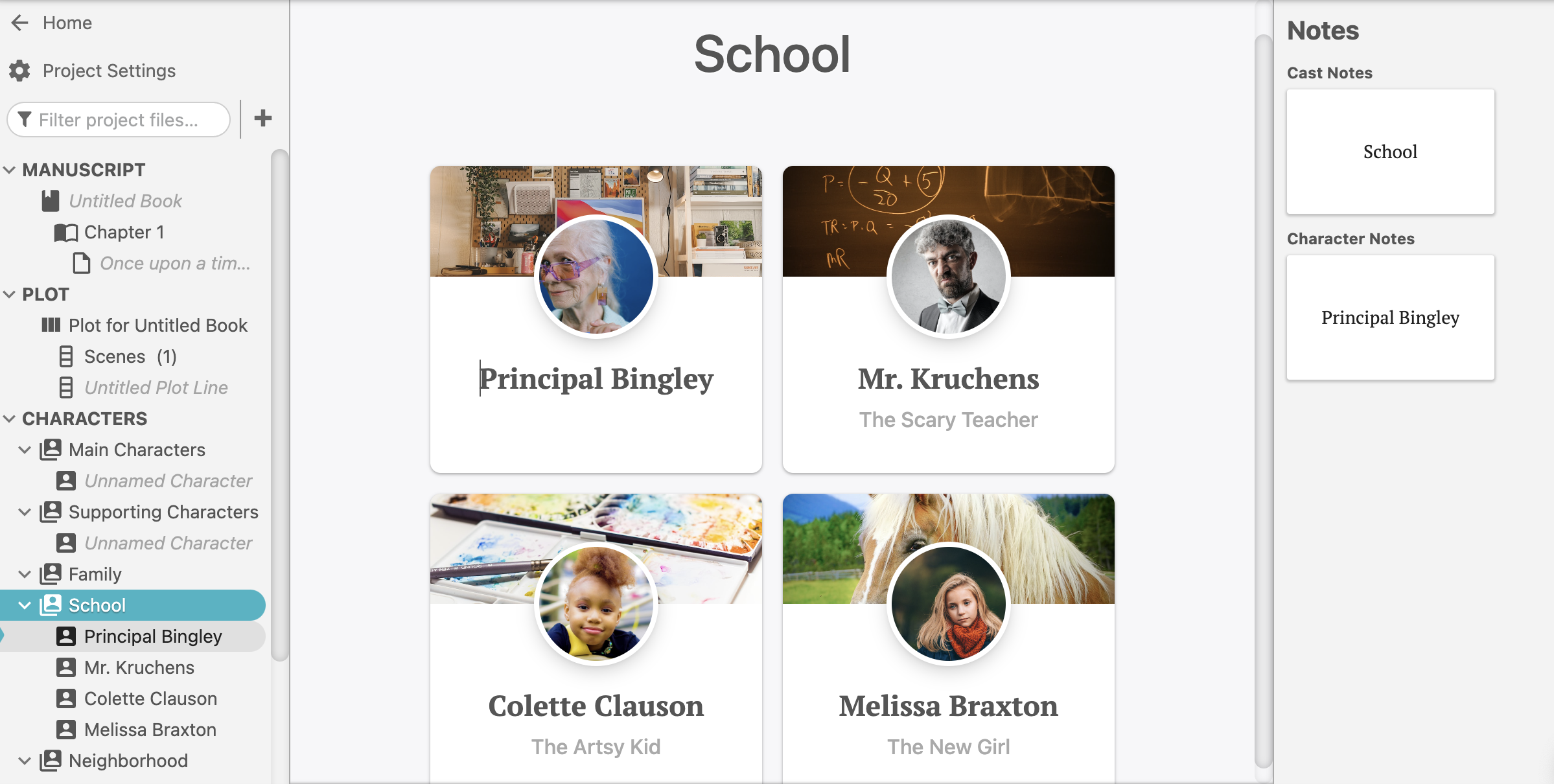
If you don’t already use Dabble, try it for free for 14 days by following this link. You don’t have to enter a credit card to start your free trial, and you get immediate access to all Premium features. And believe me, there is a lot more going in Dabble on than a style check.
You can quote me on that.
SHARE THIS:


TAKE A BREAK FROM WRITING...
Read. Learn. Create.

What's the difference between direct and indirect characterization? And is one better than the other? Here are the answers you've been looking for.

Always wanted to know the secret to telling a good story? This guide lays it all out for you.

Discover the best writing tools for everything from brainstorming and organizing to drafting, revising, and managing your time.