
225+ Descriptive Adjectives (And the Best Way to Use Them)


A descriptive adjective can be a fiction writer’s best friend or their greatest nemesis. A delight or a distraction. A tool for total immersion in a fantasy world or a storytelling crutch.
Fortunately, it’s entirely up to you whether descriptive adjectives hurt or enhance your writing. You just have to understand how to use them to create a more vivid fictional universe without bogging down your prose with excessive words.
So that’s exactly what we’ll be talking about today, complete with an extensive list of descriptive adjectives to inspire your writing.
But first, let’s all get on the same page about what counts as a descriptive adjective.
What’s an Adjective?

An adjective is a word that clarifies a noun or pronoun by adding more information.
For example:
He stopped when he saw the bespectacled woman searching the stacks in the library.
“Bespectacled” is an adjective clarifying what the woman looks like.
He’d know that radiant smile anywhere.
“Radiant” tells us the quality of her smile.
It took him five minutes to gather the courage to say hello.
Believe it or not, “five” acts as an adjective in this context, clarifying how many minutes this guy needed to approach this lady he apparently knows.
We usually think of adjectives as coming before the nouns or pronouns they describe, but you can also find them on the other side of a linking verb like “is” or “became.” For example:
She was distracted.
“Distracted” describes the pronoun “she.”
Now, if you remember anything about diagramming sentences (I assume it’s been your top hobby since sixth grade), you may recall that some adjectives aren’t very descriptive at all. We’re not talking about those adjectives today, but I do want to mention them so nobody gets confused.
Descriptive Adjectives vs. Limiting Adjectives
Some adjectives modify nouns or pronouns without actually describing them or adding new information. These are called limiting adjectives, and they answer questions like:
- Which one?
- How many?
- Whose?
For example:
“I wish I could find that book,” she said.
Which book? That book. “That” is the adjective that modifies “book.”
They reminisced as they searched several shelves together.
How many shelves? Several shelves.
The librarian eavesdropped on their conversation.
Whose conversation? Their conversation.
Limiting adjectives play an important and practical role in basic communication, but they don’t deliver the noticeable impact that descriptive adjectives do.
Descriptive adjectives, on the other hand, actually describe nouns and pronouns. They conjure a specific image, giving a character more depth, creating a stronger sense of atmosphere, or enhancing the emotions of a scene.
An ill-fated romance. A tearful goodbye. A warm hug.
The words in bold are all descriptive adjectives, and when you know how to use them well, you can write a story that weasels its way into your reader’s soul.
Types of Descriptive Adjectives

Since we’re already having such a great time with new vocabulary words, we might as well add a few types of descriptive adjectives to the list.
These are all adjectives that help clarify our understanding of the nouns they modify, but each type does the job in its own special way.
Simple Adjectives
This one’s easy. Simple adjectives are basic, one-word adjectives, stuff like:
- Clever
- Rounded
- Fuzzy
- Devastating
- Cold
Most of the descriptive adjectives you encounter are simple adjectives.
Compound Adjectives
Compound adjectives consist of multiple words connected by a hyphen to create a more specific descriptive adjective. For example:
- Bright-eyed
- Happy-go-lucky
- Mean-spirited
- Sure-footed
- Heavy-handed
Proper Adjectives
A proper adjective is derived from a proper noun. Most of the adjectives you’d use to describe a noun’s association with a culture, era, or belief system are proper adjectives. They’re always capitalized. For example:
- Belgian
- Victorian
- Marxist
- Buddhist
- Alaskan
Comparative and Superlative Adjectives
These are the adjectives you use to describe a noun in relation to another noun or nouns.
Comparative adjectives indicate that the modified noun is more [ADJECTIVE] than something else. These are comparative adjectives:
- Bigger
- Sweeter
- Weirder
- Heavier
- Funnier
Superlative adjectives indicate that the modified noun is the most [ADJECTIVE].
- Biggest
- Sweetest
- Weirdest
- Heaviest
- Funniest
Now, do you need to know all these labels in order to use descriptive adjectives well? Probably not. Nor will having this information make you a more delightful dinner companion (or so I’ve been told).
Even so, this insight can help you appreciate all the ways adjectives show up in our writing when we’re not even thinking about it.
And that’s important because we should be thinking about it. On that note…
How Can Descriptive Adjectives Help You Write Better?
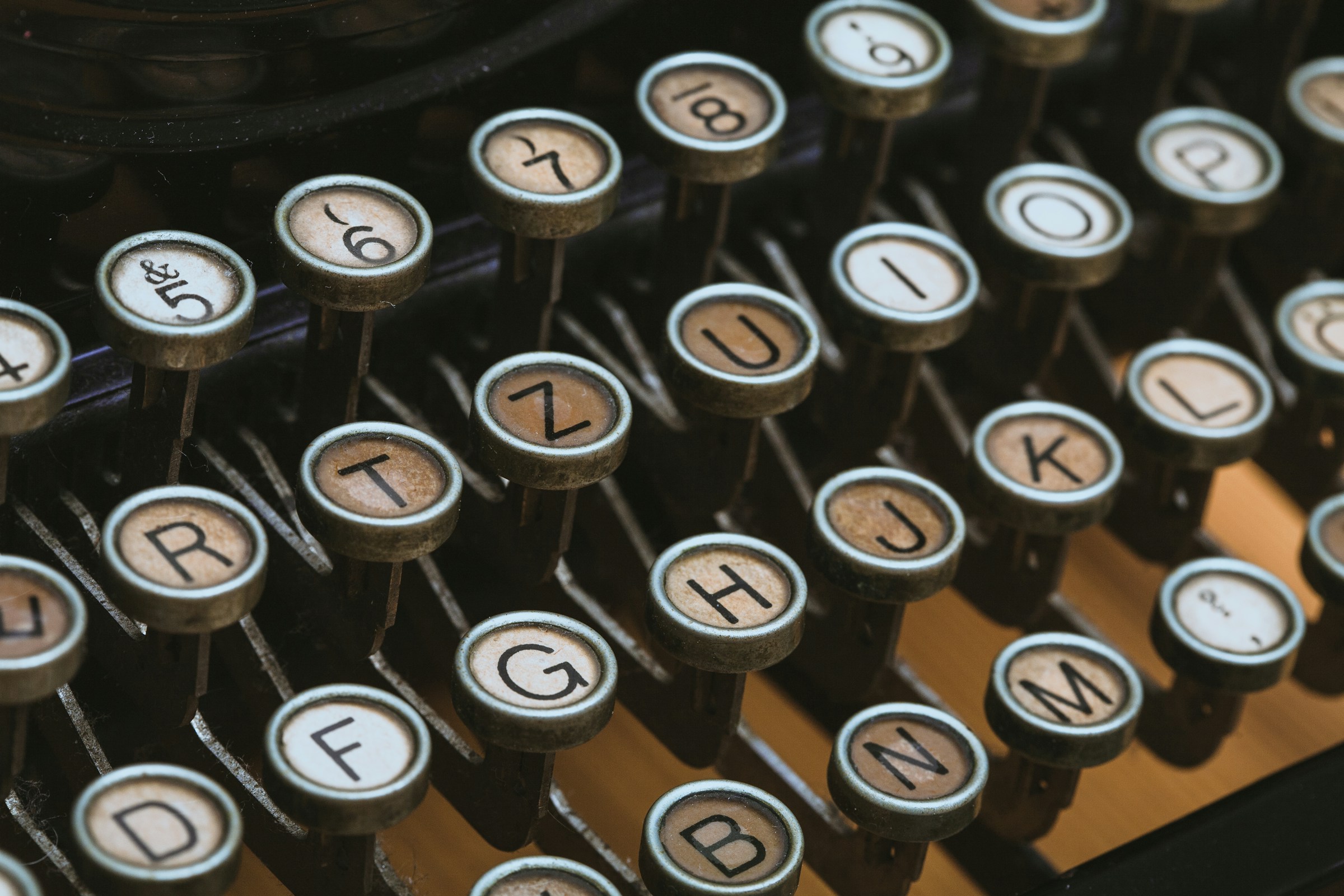
Descriptive words bring otherwise flat writing to life, highlighting the deeper layers of a character’s personality, establishing the mood, coloring a world, and more. You can use sensory details to write clearer character descriptions, help your reader envision a moment, or uncover hidden emotions.
Now, as we’ll discuss in a bit, not all descriptive words are adjectives. Nouns, verbs, and adverbs are also essential tools for crafting vivid prose. But descriptive adjectives certainly play an important role.
Here are some of the specific ways adjectives can elevate your storytelling:
Vivid Imagery
One of your biggest goals as an author is to paint such a clear picture of your world, its inhabitants, and their actions that your reader forgets it’s not real life. You want them to be able to feel the chill in the air or smell the honeysuckle blooming outside the window or hear the protagonist snapping their gum.
To do that, you have to turn your prose into a multi-sensory experience, and descriptive adjectives help you do that, especially when you choose the right ones.
It’s not just a day. It’s not even just a hot day. It’s a blazing day.
Clear Voice
In the context of fiction writing, voice refers to the personality of a narrator or character conveyed through their words. Creating a clear, consistent voice means choosing the right words, including the right adjectives.
Was the conversation “delicate” or “cringy”? Did his estranged wife wear a “burgundy” dress or a “redish-purplish” one?
Strong Tone
While voice refers to a narrator or character’s personality, tone conveys their attitude. Your narration has a tone, as does every line of dialogue. And the adjectives you choose have a major impact on how your reader perceives tone.
If you wanted to create a romantic tone, you might describe the library lady’s voice as “melodic.” If you wanted to go for a mocking tone, you might opt for “sing-songy.”
How Can Descriptive Adjectives Hurt Your Writing?

Okay, focus now: this bit is pretty important.
If you don’t use descriptive adjectives with clarity and intention, they won’t make your writing better. In fact, there’s a good chance they’ll make your prose noticeably worse.
Here are the biggest problems that arise from poor use of descriptive adjectives:
Cluttered Prose
This is where new writers get tripped up. If one descriptive adjective makes the image clearer, wouldn’t two adjectives be even better?
Nope. Allow me to demonstrate the danger of using too many adjectives.
They left the old, elegant library and walked along the cracked sidewalk to the cute, lively cafe.
That sentence really plods along, doesn’t it? It’s cluttered with way too many words, which slows the pace and gives the reader too many things to picture.
Oh, yeah, that’s a thing. Excessive details will overwhelm your reader because they’ll feel like they have to imagine every little thing you mention. Honestly, you can just say this:
They left the library and walked to the cute café down the road.
Or, even better:
They left to get lavender lattes at the cat café.
It’s fewer words, but the descriptive adjectives (“lavender” and “cat”) are more specific and support the reader as they create the full picture using their own imagination.
This is also why you want to opt for strong nouns over adjectives whenever possible. (It’s also best to choose strong verbs instead of piling on the adverbs.)
“Yorkie” is better than “small dog.” “Feast” is better than “huge meal.” “Snicker” is better than “weird little laugh” (usually).
Vague Descriptions
Don’t let the name fool you: some descriptive adjectives really aren’t that descriptive. Can you picture “big”? Or “strange”? Or “beautiful”?
Those words could mean a lot of things, right? If Library Guy shows up at the door of his long-lost love tomorrow carrying a bouquet of “beautiful flowers,” what are you picturing? Dahlias? Lilies? Two dozen black roses?
It’s a rookie mistake to assume that more adjectives equal more clarity.
Excessive Description
You also don’t need to describe everything. Remember that sidewalk from this dreadful sentence:
They left the old, elegant library and walked along the cracked sidewalk to the cute, lively cafe.
Unless the cracked nature of the sidewalk contributes to the atmosphere, is relevant to the story, or acts as some kind of symbol, it’s not necessary to mention. We don’t need to mention the sidewalk at all. The reader will probably picture it on their own, and even if they don’t, oh well.
So be careful about piling on adjectives just to describe something that doesn’t matter.
How to Use Adjectives to Improve Descriptions

After all those warnings, I probably owe you some tips for choosing adjectives that will help your reader disappear inside your world.
Prioritize Powerful Words
Whether they’re strong descriptive words or super-specific nouns that can stand alone, opt for one mighty word over multiple descriptive adjectives.
Be Specific
Specificity doesn’t just conjure a clearer image. It evokes stronger emotions.
As readers, we’re more likely to feel the ache of a yellowing bruise than a bad bruise. We’d cringe over a rotten odor more than we would a strong odor. A silk gown might trigger romantic anticipation, while a lovely gown probably would not.
Be as specific as you can, and choose the specifics that are most likely to stir the right feelings in your readers.
Use the Five Senses
The most impactful descriptive adjectives appeal to the five senses. Telling your reader what something looks, sounds, smells, feels, or tastes like is significantly more effective than offering an abstract description like “scary” or “delightful.”
It all ties into the “show, don’t tell” principle, which encourages you to recreate a sensory experience for your audience instead of just telling them how they should feel about it.
(Psst: DabbleU Academy scholars can study this concept in-depth with our self-guided Show, Don’t Tell course.)
Now, sensory descriptions don’t rely entirely on adjectives. Nouns, verbs, and adverbs play a part, too. The important thing is that you opt for concrete words whenever possible. That crystal-clear imagery will immerse your reader in your world.
You may feel some resistance to this at first, especially if you’re worried about conveying deeper personality traits, a character’s background, or the emotional undercurrent of a scene. But the truth is, sensory information conveys those ideas more effectively than abstractions can.
If I tell you our little reunited couple had a pleasant conversation at the cat café, you might be like, “Oh, good, okay.” But if I let you hear her tinkling laughter, you might actually feel a spark of hope that this is all going to work out for them.
Look Out for Clichés
It’s painfully easy to load your descriptions with overused adjectives.
Ruby-red lips. Twinkling stars. The shushing librarian.
Keep an eye out for clichés. They’re less effective because we’ve heard them a billion times. Make an effort to use unique adjectives whenever you can.
Now, having said that…
Use Your Thesaurus Wisely
Your thesaurus is a marvelous tool for expanding your options, adjective-wise, but resist the temptation to just grab any word that sounds neat and plug it into your prose. While you do want your writing to be unique, you still need well-chosen adjectives that fit the tone, voice, and story.
You also want to make sure your readers can understand them.
Keep It Focused
Finally, remember that less is more when it comes to descriptive adjectives. It’s fine if you find yourself stacking up multiple adjectives for every noun on your first draft, but when it’s time to edit, drill down to what’s essential.
Remove unnecessary adjectives. Favor clearer nouns when you can. Describe only what your reader actually needs to know about.
Let every descriptive adjective that occupies your prose be mighty and essential.
A Big Fat List of Descriptive Adjectives
Need a little inspiration to guide your writing? Here are some ideas for descriptive adjectives:
Adjectives for Physical Appearance

- Angular
- Athletic
- Balding
- Bow-legged
- Buff
- Chiseled
- Clean-shaven
- Disheveled
- Elegant
- Freckled
- Glowing
- Greasy
- Hairy
- Lanky
- Paunchy
- Petite
- Pigeon-toed
- Rosy
- Rugged
- Scruffy
- Slick
- Stooped
- Stout
- Stylish
- Tanned
- Tattooed
- Towering
- Wide-eyed
- Wiry
Note: This article can help you out when you’re searching for the right adjectives to describe skin color. It can be a tricky subject.
Adjectives for Personality

- Adventurous
- Blunt
- Calm
- Cautious
- Confident
- Courageous
- Creative
- Curious
- Deep-souled
- Dreamy
- Easy-going
- Expressive
- Finicky
- Intuitive
- Logical
- Loyal
- Modest
- Paranoid
- Pensive
- Practical
- Resilient
- Romantic
- Sensitive
- Shy
- Silly
- Strict
- Unassuming
- Vindictive
- Wise
- Witty
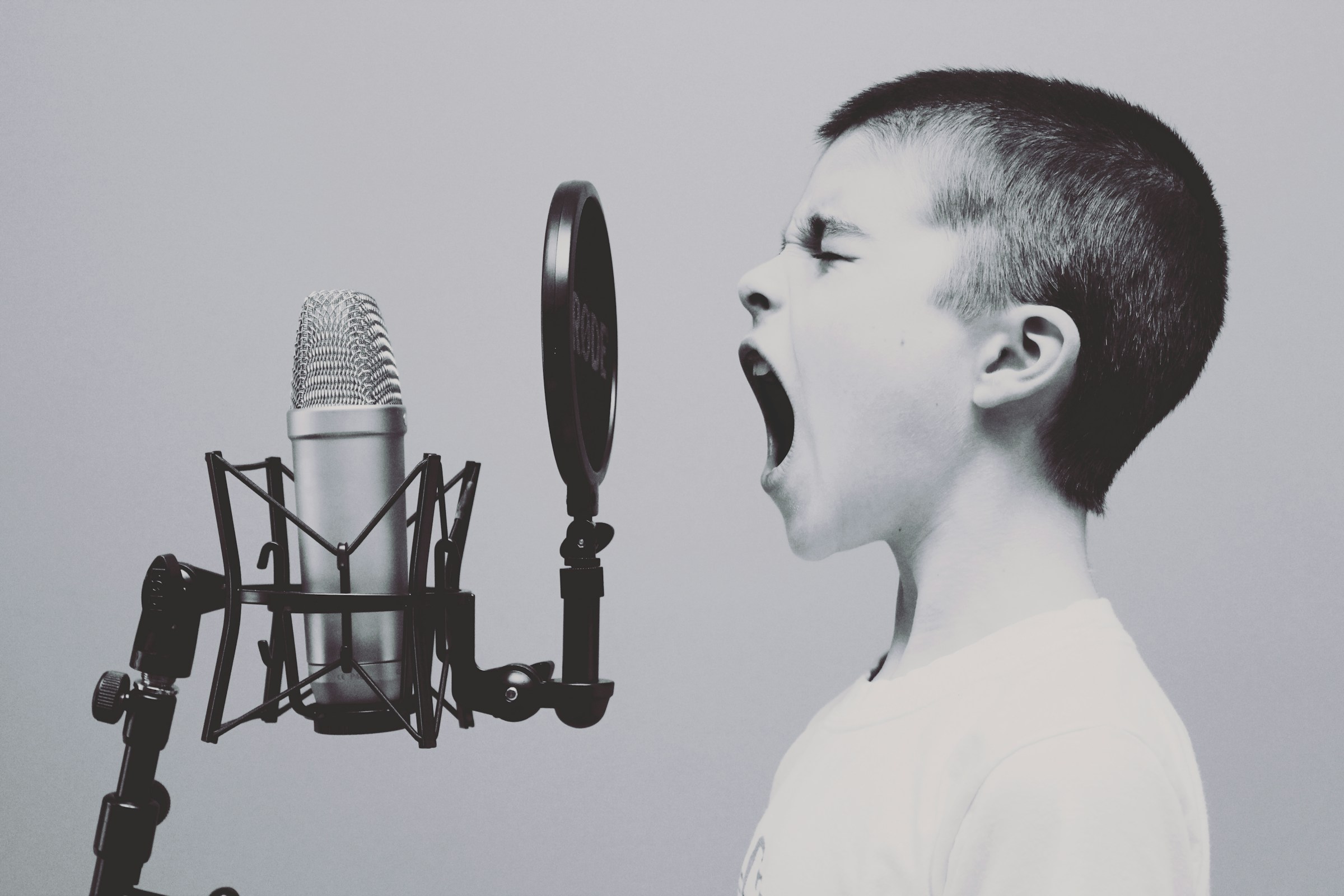
Adjectives for Voice
- Abrasive
- Airy
- Braying
- Brittle
- Booming
- Bubbling
- Chirping
- Creaky
- Drawling
- Guttural
- High-pitched
- Hoarse
- Husky
- Melodious
- Monotone
- Nasal
- Raspy
- Rumbling
- Shrill
- Trembling
Adjectives for Movement
- Abrupt
- Clumsy
- Clunky
- Connected
- Creeping
- Deliberate
- Effortless
- Fluid
- Hesitant
- Jerky
- Labored
- Light
- Lumbering
- Nimble
- Percussive
- Plodding
- Rolling
- Rushed
- Slow
- Smooth
- Stilted
- Sudden
- Supple
- Swift
Adjectives for Atmosphere

- Austere
- Bright
- Cozy
- Creepy
- Dark
- Desolate
- Gloomy
- Eerie
- Festive
- Foggy
- Foreboding
- Hostile
- Intimate
- Magical
- Oppressive
- Peaceful
- Romantic
- Secure
- Serene
- Sinister
- Smoky
- Somber
- Stimulating
- Sunny
- Tense
- Thrilling
Taste Adjectives
- Acidic
- Bitter
- Bland
- Bright
- Briny
- Buttery
- Charred
- Citrusy
- Creamy
- Earthy
- Metallic
- Nutty
- Peppery
- Rich
- Salty
- Sour
- Spicy
- Spoiled
- Stale
- Sugary
- Sweet
- Tangy
- Tart
- Woody
- Zesty
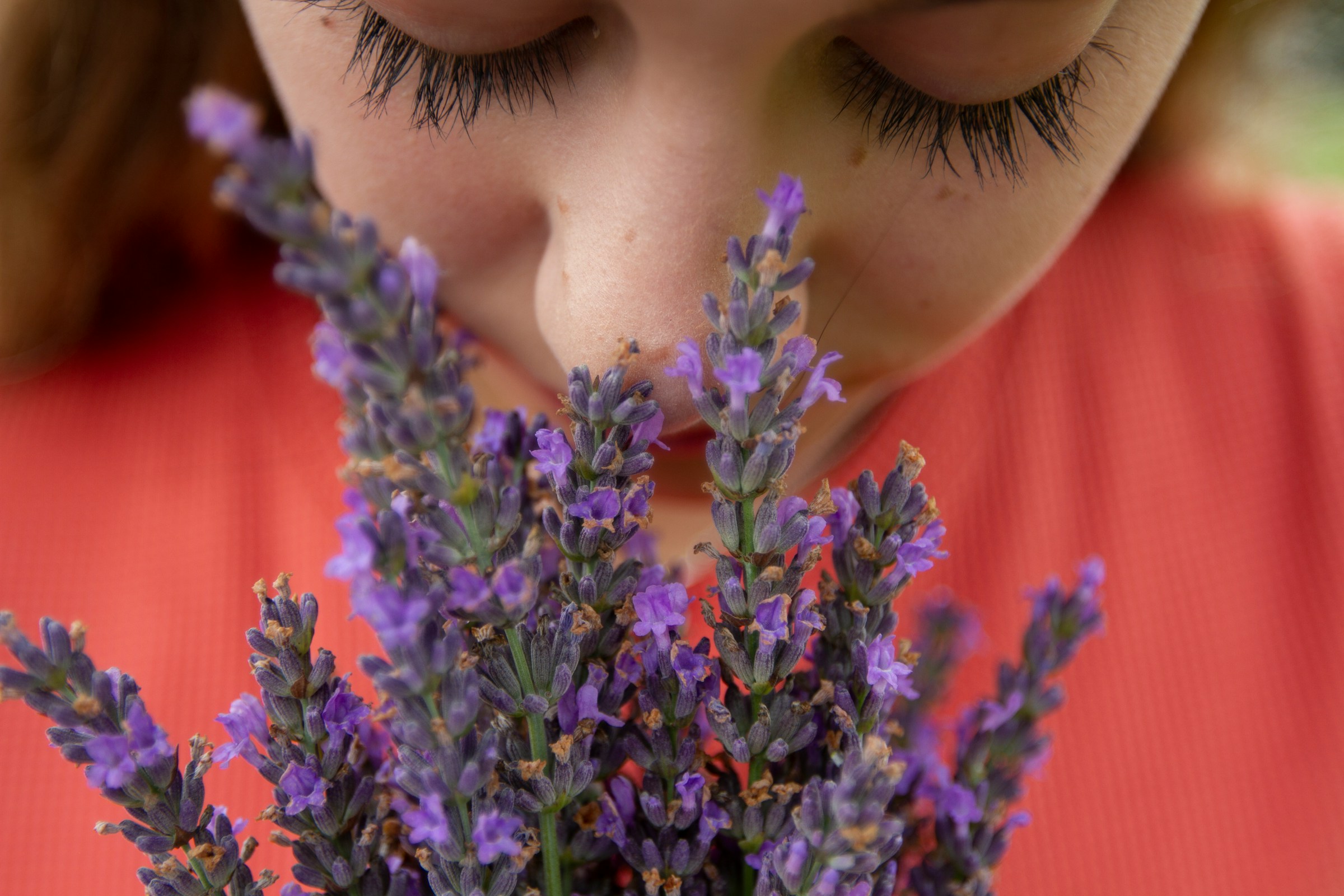
Scent Adjectives
- Antiseptic
- Clean
- Fishy
- Floral
- Fruity
- Funky
- Garlicky
- Grassy
- Heady
- Herbal
- Medicinal
- Musky
- Musty
- Smoky
- Sweet
- Peachy
- Peppery
- Pungent
- Perfumed
- Rancid
- Sharp
- Tropical
Tactile Adjectives
- Barbed
- Breezy
- Burning
- Clammy
- Chafing
- Coarse
- Cool
- Fluffy
- Frigid
- Greasy
- Gritty
- Humid
- Itchy
- Moist (Sorry.)
- Mushy
- Numbing
- Oily
- Powdery
- Scalding
- Slimy
- Smooth
- Soft
- Sticky
- Stinging
- Stubbly
- Tacky
- Velvety
- Woolly
Sound Adjectives
- Brassy
- Clanging
- Chiming
- Creaky
- Dulcet
- Ear-splitting
- Grating
- Gurgling
- Harmonious
- Howling
- Hushed
- Melodic
- Metallic
- Muffled
- Percussive
- Piercing
- Pulsing
- Pure
- Rhythmic
- Sharp
- Shrill
- Thunderous
- Twangy
You’re One Big Step Closer to Mastering Descriptive Language
Descriptive adjectives are only the beginning. Truly immersive writing requires a variety of skills. The more you practice those skills, the likelier you are to write a novel your readers can’t put down.
As I mentioned earlier, the Show, Don’t Tell course in DabbleU Academy can help you master descriptive prose. It’s a comprehensive 3-hour course complete with handy workbooks and fun exercises to help you put the concepts you learn into practice immediately. And it’s just one of many DabbleU Academy resources designed to help you unlock the brilliant author within.

If you’re not already a member of DabbleU Academy, you can gain free access for two weeks with a 14-day Dabble Writer trial. Just click here! We won’t ask you to enter credit card information, so it’s truly a risk-free way to explore everything Dabble has to offer.
Try it out and let us know what you think, using all the adjectives you want.
SHARE THIS:


TAKE A BREAK FROM WRITING...
Read. Learn. Create.

What's the difference between direct and indirect characterization? And is one better than the other? Here are the answers you've been looking for.

Always wanted to know the secret to telling a good story? This guide lays it all out for you.

Discover the best writing tools for everything from brainstorming and organizing to drafting, revising, and managing your time.